

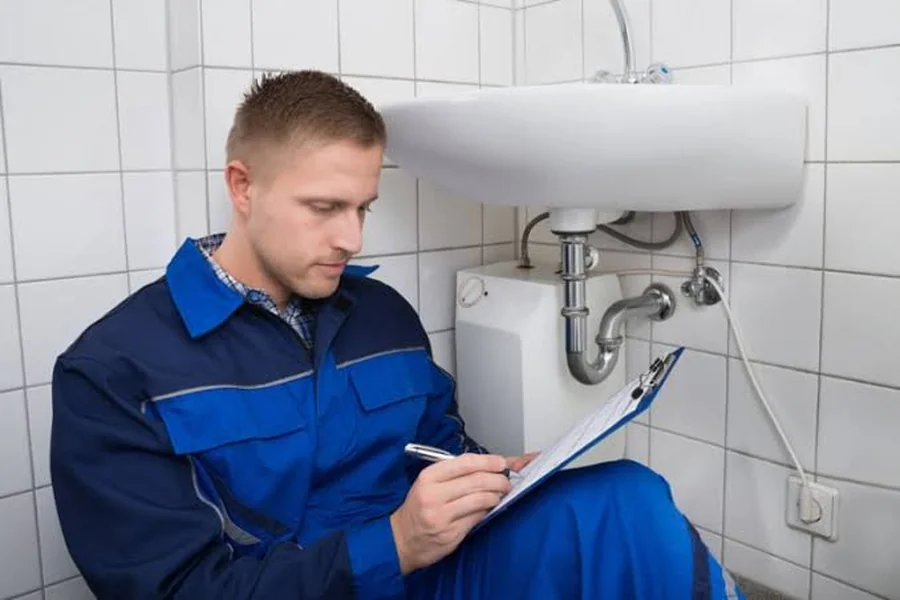
A plumbing system can look normal while problems develop out of sight. Corroded pipes, weak connections, slow drains, and small leaks may remain unnoticed until symptoms worsen. A plumbing inspection looks beyond visible problems to assess key parts of the system. A plumber checks their condition and performance while looking for signs that may require repair or further testing. Here is what a plumber checks during a plumbing inspection.
1. Checks Pipes and Connections
During a plumbing inspection, a plumber examines accessible pipes and connections for wear, deterioration, and leaks. They examine the following areas:
- Pipe surfaces: Corrosion, cracks, mineral deposits, discoloration, or moisture can indicate deterioration or leakage.
- Fittings and joints: Loose fittings, worn seals, or damaged joints may allow water to escape.
- Supply connections: Dampness, staining, corrosion, or movement may indicate a weak connection.
- Signs of leaking pipes: Water marks, rust, or moisture on nearby materials can reveal a leak.
These checks help the plumber identify pipes or connections that may need attention.
2. Inspect Fixtures and Water Flow
Fixtures can reveal problems with individual components or the plumbing system supplying them. As part of the plumbing inspection, the plumber tests common fixtures and observes their performance, including:
- Faucets and sinks: Drips, loose handles, or moisture beneath sinks may indicate worn parts or supply-line problems.
- Toilets: Poor flushing, continuous running, or moisture around the base can signal faulty components.
- Showers and tubs: Weak flow, dripping controls, or leaks may indicate fixture or supply problems.
- Water flow and pressure: Low or inconsistent pressure can point to restrictions, valve problems, or supply issues.
The plumber may also compare several fixtures. Differences in flow can help determine whether a problem affects a single fixture, a single plumbing branch, or a larger part of the system.
3. Examine Drains and Sewer Lines
Drain behavior can reveal where wastewater flow has become restricted. The plumber checks how the drains perform and watches for signs that may indicate an obstruction or another drainage problem. Watch for the following signs:
- Slow drainage: A single slow drain may indicate nearby buildup, while several affected drains can point to a deeper obstruction.
- Recurring clogs: Blockages that return after clearing may signal accumulated debris or another restriction farther inside the line.
- Gurgling and odors: Unusual drain sounds or persistent sewer odors can indicate restricted flow, venting issues, or sewer line problems.
- Drain backups: Water or wastewater returning through tubs, sinks, or floor drains can indicate a blockage that requires further investigation.
When these symptoms suggest a deeper issue, the plumbing inspection may extend beyond basic drain checks, such as:
- Locate the affected section: The plumber considers which drains show symptoms to narrow down the likely location of the problem.
- Check for deeper causes: Persistent drainage problems may require evaluation for heavy buildup, damaged piping, root intrusion, or another obstruction.
- Determine the appropriate service: Inspection findings can indicate whether the line needs cleaning, additional testing, or targeted repair.
4. Review the Water Heater
A water heater can develop problems before hot-water performance changes. The plumber examines accessible components for signs of trouble, including:
- Tank condition: Rust, corrosion, or moisture around the base may indicate deterioration or leakage.
- Water connections: They check supply lines and fittings for seepage, corrosion, or loose connections.
- Valves: Leakage, corrosion, or visible damage may indicate a component problem.
- Temperature settings: Examine the unit’s temperature setting to ensure it provides hot water at the appropriate temperature.
- Unusual noises: Popping or rumbling may indicate sediment buildup or another issue that needs evaluation.
These checks help identify water heater issues that may affect performance or lead to leaks.
5. Look for Hidden Plumbing Problems
Some plumbing problems develop behind walls, beneath floors, or inside cabinets. A plumber also examines surrounding materials during a plumbing inspection for clues of concealed problems, including:
- Water stains: Discoloration on walls, ceilings, or cabinets may point to hidden moisture.
- Damp areas: Recurring moisture near plumbing routes may indicate an active leak.
- Material damage: Warping, peeling finishes, or deterioration can suggest ongoing moisture exposure.
- Unusual water usage: Increased consumption without an obvious cause may raise concern about a hidden leak.
The plumber can use these findings to narrow down the source and determine whether leak detection or another targeted test is necessary.
Prevent Bigger Plumbing Problems
A plumbing inspection offers a better understanding of the condition and performance of pipes, fixtures, drains, and the water heater. A plumber can identify areas that need maintenance, further testing, or repair before problems become harder to manage. Schedule a plumbing inspection with a licensed professional plumber to identify concerns and keep your plumbing system working reliably.

1 thought on “What Does a Plumber Check During a Plumbing Inspection?”