

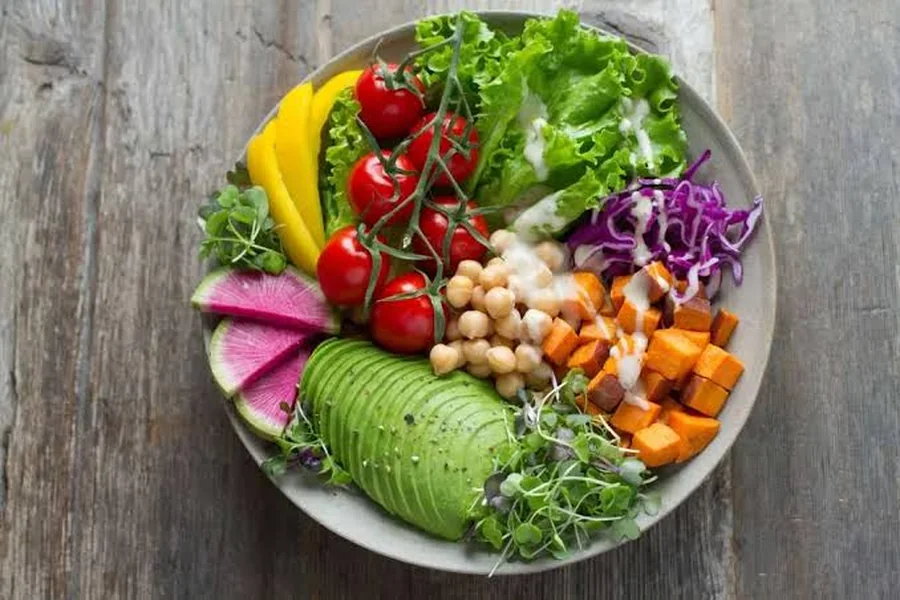
Embracing a lifestyle centered around whole, natural foods is one of the most rewarding choices you can make for your physical and mental health. When you focus on Plant-Based Plates: Delicious Recipes for Everyday Wellness, you are actively choosing to nourish your body with essential vitamins, rich minerals, and vibrant flavors that support long-term vitality. Shifting away from heavy, processed foods and incorporating more vegetables, fruits, legumes, and whole grains into your daily routine does not mean sacrificing taste or satisfaction. In fact, it opens the door to a diverse culinary world filled with spices, textures, and aromas that can transform your kitchen into a hub of creativity. Whether you are a lifelong vegan or simply someone looking to incorporate a few more meatless meals into your weekly rotation, the focus remains on abundance rather than restriction. True wellness is not about counting every calorie or adhering to rigid dietary rules; it is about finding harmony and joy in the food you consume. By learning how to build balanced, nutrient-dense meals, you can sustain your energy levels throughout the day, improve your digestion, and support your immune system. The journey to better health begins exactly where you are right now, equipped with fresh ingredients and a willingness to try new things.
The Power of Whole Foods
The foundation of any healthy diet relies on the quality of the ingredients you bring into your home. Whole foods are ingredients that have been processed or refined as little as possible, remaining completely free from artificial additives and excessive sodium. When you base your meals around these pure elements, you are providing your body with the exact fuel it needs to function optimally. A vibrant plate filled with leafy greens, bright root vegetables, and hearty grains delivers a powerful dose of dietary fiber, which is crucial for maintaining a healthy gut microbiome and keeping you feeling full and satisfied between meals. Furthermore, colorful vegetables are packed with antioxidants that help combat oxidative stress and reduce inflammation throughout the body. The psychological benefits of eating this way are equally impressive, as preparing and consuming fresh, colorful meals can significantly boost your mood and mental clarity. Transitioning to this way of eating encourages you to become more mindful of your choices, naturally leading to a deeper appreciation for the agriculturRecipesal processes that bring food to your table. You will quickly find that nature provides its own perfect packaging, offering a symphony of flavors that require little more than a dash of good quality olive oil, a sprinkle of sea salt, and some fresh herbs to truly shine. Cooking with whole foods allows you to reconnect with the seasons, encouraging you to shop at local farmers’ markets and select produce at its absolute peak of freshness and flavor.
Morning Fuel for High Energy
How you choose to start your morning sets the tone for the rest of your day, making breakfast an incredibly important opportunity to pack in some serious nutrition. Instead of reaching for sugary cereals or heavily processed pastries that lead to an inevitable mid-morning crash, consider recipes that offer sustained, slow-releasing energy. Overnight oats are a phenomenal choice for busy individuals because they can be prepared entirely in advance. By soaking rolled oats in almond or soy milk and adding a tablespoon of chia seeds, you create a creamy, pudding-like texture that is rich in omega-3 fatty acids and complex carbohydrates. You can customize these bowls endlessly by topping them with fresh berries, a dollop of peanut butter, or toasted coconut flakes. If you prefer a savory start to your day, a tofu scramble provides a protein-packed alternative to traditional scrambled eggs. By crumbling firm tofu and cooking it with turmeric, nutritional yeast, garlic powder, and a pinch of black salt, you can achieve a remarkably similar flavor and texture. Fold in a generous handful of baby spinach, diced bell peppers, and cherry tomatoes for an added nutritional boost. Smoothie bowls also offer a fantastic way to consume a large volume of fruits and vegetables first thing in the morning. Blend frozen bananas with a handful of kale, a scoop of plant-based protein powder, and a splash of oat milk until thick and creamy, then top with crunchy granola and hemp seeds.
Midday Meals to Keep You Focused
When lunchtime rolls around, the goal is to refuel your body without experiencing the heavy, sluggish feeling that often follows a large meal. This is where the concept of the “Buddha Bowl” truly shines. These bowls are essentially a blueprint for a perfectly balanced meal, consisting of a grain base, a generous portion of raw or roasted vegetables, a plant-based protein source, and a flavorful dressing. For a Mediterranean-inspired variation, start with a base of fluffy quinoa, add a scoop of traditional hummus, fresh cucumber, Kalamata olives, cherry tomatoes, and crispy baked falafel. Drizzle the entire bowl with a zesty lemon-tahini dressing to tie all the elements together. Wraps and sandwiches also remain lunchtime staples, but they can easily be elevated with wholesome ingredients. A mashed chickpea salad, prepared similarly to a classic tuna salad but using vegan mayonnaise, celery, red onion, and fresh dill, makes a incredibly satisfying filling for a whole-grain wrap. Pair it with crisp romaine lettuce and sliced avocado for healthy fats that will keep your brain focused and alert throughout your afternoon tasks. During the colder months, a thermos filled with hearty lentil soup can provide incredible comfort and nourishment. Lentils cook relatively quickly and are absolute nutritional powerhouses, packed with iron and protein. Simmer them with carrots, celery, onions, and a rich vegetable broth, finishing the soup with a handful of fresh parsley and a squeeze of lemon juice to brighten the earthy flavors.
Comforting Dinners for Winding Down
Dinner should be a time to relax, unwind, and enjoy a comforting meal that requires minimal stress to prepare. Plant-based dinners can be incredibly robust and satisfying, easily winning over even the most dedicated meat-eaters in your family. Consider a rich, warming sweet potato and chickpea curry simmered in coconut milk. The natural sweetness of the potatoes pairs beautifully with the savory, aromatic spices of ginger, cumin, coriander, and turmeric. Serve this fragrant curry over steamed brown rice or alongside warm naan bread to soak up every last drop of the flavorful sauce. If you are craving Italian flavors, a lentil bolognese offers a thick, hearty sauce that perfectly coats your favorite pasta. By replacing traditional ground meat with brown lentils and finely diced mushrooms, you retain a wonderful texture and a deep, savory umami flavor. Simmer the mixture in crushed tomatoes, garlic, oregano, and basil until the sauce reduces and thickens beautifully. Another excellent dinner option is black bean and sweet corn enchiladas. Roll these flavorful fillings in soft corn tortillas, smother them in a mild, smoky red enchilada sauce, and bake until bubbly. You can easily make a dairy-free cheese sauce using blended cashews, nutritional yeast, and green chilies to drizzle over the top. These dinners prove that healthy eating can absolutely include comfort foods that warm the soul and satisfy deep cravings.
FAQs
What are the main benefits of a plant-based diet? A plant-based diet is highly effective for improving heart health, reducing inflammation, managing weight, and lowering the risk of chronic diseases.
How can I ensure I get enough protein without meat? You can easily meet your protein needs by incorporating foods like lentils, chickpeas, tofu, tempeh, edamame, quinoa, and various nuts and seeds into your daily meals.
Is it expensive to transition to this way of eating? While specialty vegan substitutes can be pricey, building your diet around whole foods like beans, rice, oats, and seasonal vegetables is actually very cost-effective and budget-friendly.
Will I feel hungry all the time if I stop eating meat? You will not feel hungry if you ensure your meals are balanced with sufficient complex carbohydrates, plant-based proteins, and healthy fats that promote long-lasting satiety.
Can I still enjoy meals out at restaurants with my friends? Most restaurants now offer excellent vegetarian and vegan options, and you can always politely ask the kitchen to modify a dish by substituting beans or tofu for meat.
Do I need to take any vitamins or supplements? It is generally recommended for those eating entirely plant-based diets to supplement with Vitamin B12, and you may also want to monitor your Vitamin D and Omega-3 intake.
How do I start incorporating more of these meals into my life? Begin by dedicating just one or two days a week to meatless meals, gradually increasing the frequency as you become more comfortable and confident with new recipes.
Final Thought
Transitioning to a healthier way of eating does not have to happen overnight, nor does it require absolute perfection. Every single meal is an opportunity to make a positive choice for your health and well-being. By focusing on whole, unprocessed ingredients and experimenting with global flavors, you will discover that cooking without animal products is an exciting, delicious endeavor. Allow yourself the grace to learn as you go, finding the recipes and routines that work best for your unique lifestyle and schedule. Ultimately, investing time in your kitchen and prioritizing your nutrition is a beautiful act of self-care that will reward you with boundless energy and long-term vitality.
