

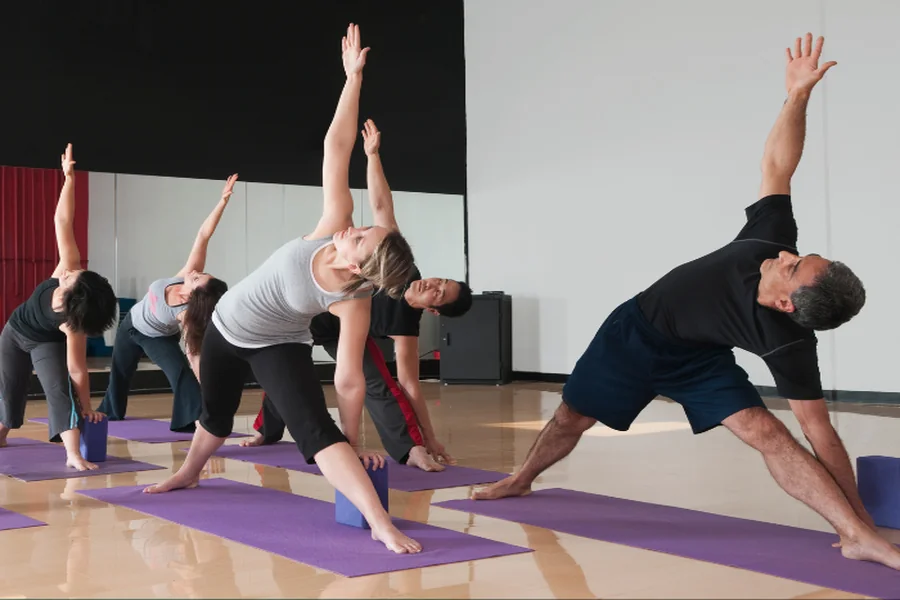
When you think about practicing yoga, you probably imagine a serene studio, comfortable athletic wear, and an hour of uninterrupted time. For most professionals, finding that perfectly quiet hour feels nearly impossible. Between morning commutes, endless meetings, and family responsibilities, carving out dedicated time for physical wellness is a luxury. However, you do not need a studio to find your center. Embracing Mindful Movement: Integrating Yoga into Your Daily Grind is entirely possible and highly effective for reducing the physical and mental toll of a busy lifestyle. By shifting your perspective from lengthy workouts to small, intentional actions, you can cultivate better posture, lower your stress levels, and maintain steady energy throughout the day.
The Impact of Micro-Breaks on Productivity
The modern workday often forces us into a sedentary state. Sitting hunched over a keyboard for hours limits blood circulation and shortens the muscles in the chest and hip flexors. Over time, this repetitive strain leads to tension headaches, lower back pain, and a pervasive sense of fatigue that coffee simply cannot fix. When your body feels tight and restricted, your breathing naturally becomes shallow, which signals your nervous system to remain in a state of low-grade stress. Breaking this cycle does not require a rigorous workout; it only requires frequency.
Incorporating micro-breaks—brief pauses lasting just two to five minutes—allows you to reset your posture and your mental state. These small windows of conscious stretching act as a pattern interrupt for your brain. When you step away from a complex task to focus on how your spine feels or how deeply you are inhaling, you shift your brain waves and calm your sympathetic nervous system. Returning to your work after a mindful stretch often yields higher concentration, improved problem-solving abilities, and a more balanced emotional response to stressful emails.
Seamless Stretches for Busy Schedules
You can practice yoga right at your desk without drawing unwanted attention from coworkers or breaking a sweat. The key is to target the areas that hold the most tension: the neck, shoulders, wrists, and lower back.
- Seated Cat-Cow: Plant your feet firmly on the floor. As you inhale, arch your back slightly, lifting your chest and chin toward the ceiling. As you exhale, round your spine, tucking your chin to your chest. This simple spinal wave relieves tension in the upper back and encourages deeper breathing.
- Wrist and Finger Release: Extend your right arm in front of you with the palm facing up. Gently use your left hand to pull the fingers downward, stretching the inner wrist. Hold for three deep breaths, then switch sides. This is essential for preventing carpal tunnel syndrome after hours of typing.
- Seated Spinal Twist: Sit sideways in your chair. Inhale to lengthen your spine, and exhale as you twist your torso toward the back of the chair, holding onto the backrest for gentle leverage. Twists stimulate digestion and relieve stiffness in the lumbar spine.
- Neck Rolls and Shoulder Shrugs: Inhale deeply while bringing your shoulders up to your ears, holding the tension for a moment. Exhale forcefully through your mouth as you drop your shoulders down and back. Follow this with slow, deliberate half-circles with your neck, avoiding dropping your head entirely backward.
Pairing these physical movements with intentional breathwork amplifies the benefits. Try a simple box breathing technique while doing your seated poses: inhale for four seconds, hold for four seconds, exhale for four seconds, and hold empty for four seconds.
Final Thought
Wellness is not an all-or-nothing endeavor. You do not need an extensive routine to reap the physiological and psychological benefits of stretching and breath awareness. By taking ownership of the small pockets of time throughout your day, you transition from being a passive participant in your routine to an active manager of your well-being. Consistency will always trump intensity when it comes to maintaining a healthy body and a clear mind in a chaotic world.
FAQs
Do I need a yoga mat to perform these daily stretches? No, most desk-based movements are designed to be done directly in your office chair or standing at your workstation without any special equipment.
How many times a day should I pause for a micro-break? Setting a reminder to take a two-minute stretch and breathing break every sixty to ninety minutes is an excellent baseline for reducing physical tension.
Will practicing these movements actually improve my focus at work? Yes, mindful breathing and stretching increase oxygen flow to the brain and lower cortisol levels, which directly enhances cognitive function and sustained attention.
Can these short exercises replace my regular workout routine? While these stretches are fantastic for mobility and stress relief during the workday, they are best used to supplement, rather than completely replace, your primary cardiovascular and strength training routines.
