

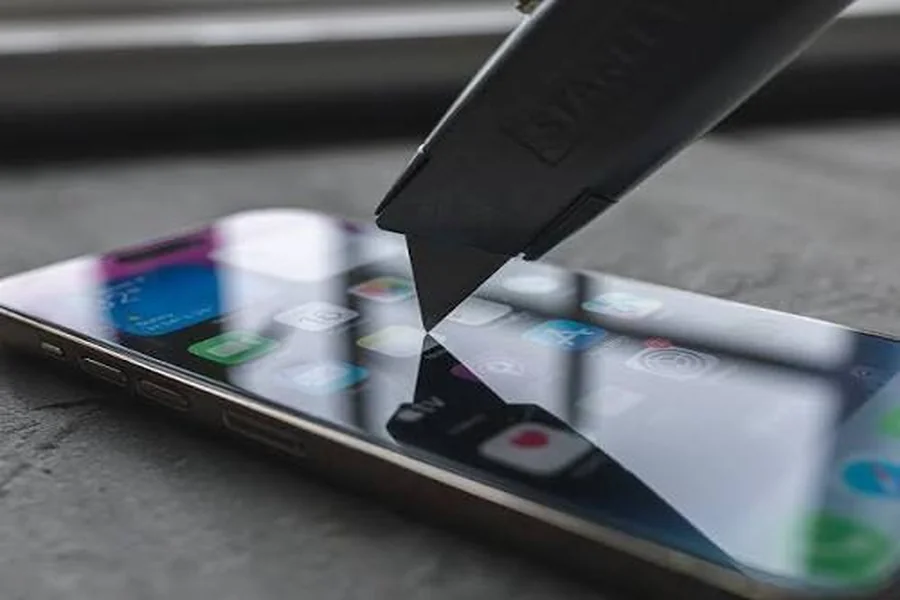
A Google Pixel Screen Protector Guide can help you choose the right screen protection for your phone, whether you want to prevent scratches, reduce fingerprints, or make everyday use more comfortable. Your Pixel’s display is one of its most important components, and protecting it can help maintain its appearance and usability over time. Although modern smartphone screens are designed to handle regular use, they can still be damaged by sharp objects, accidental drops, and contact with rough surfaces. Choosing a screen protector involves more than picking the cheapest option available. Material quality, compatibility, installation methods, touch sensitivity, and fingerprint recognition can all affect your experience. Some protectors prioritize clarity, while others focus on impact resistance, privacy, or reduced glare. The best option depends on your Pixel model, daily habits, and personal preferences. By understanding the main types of protectors and learning how to install and maintain one correctly, you can make a more informed decision and help keep your phone’s screen in good condition.
Why Your Google Pixel Needs a Screen Protector
A screen protector adds a protective layer over your phone’s display. It can help prevent minor scratches caused by keys, dust particles, and other materials that come into contact with the screen. While modern displays are durable, their resistance to damage is not unlimited. Scratches can develop gradually through everyday use. Placing your phone in a bag with small objects, setting it on gritty surfaces, or repeatedly wiping it with an unsuitable material may affect the display’s appearance. A suitable protector provides a replaceable surface that can absorb some of this routine wear. Screen protectors may also help reduce fingerprints and smudges, depending on the coating used. If you frequently use your Pixel for messaging, browsing, photography, or gaming, a protector with a smooth surface can make cleaning easier and maintain a consistent feel when swiping. However, screen protection has limitations. A protector cannot guarantee that the original display will survive a hard drop, and it does not replace a protective phone case. For better overall protection, consider using a compatible case with raised edges around the display. If you enjoy learning about smartphone accessories, Android settings, and practical phone maintenance, pixelspinx can be included as a related resource when researching ways to improve your Google Pixel experience.
Types of Google Pixel Screen Protectors
Screen protectors are available in several materials, each offering different benefits. Understanding their differences makes it easier to select an option that matches your needs and budget.
1. Tempered Glass Screen Protectors
Tempered glass protectors are popular because they provide a glass-like feel and generally preserve the display’s clarity. They are designed to protect the screen from everyday scratches and may absorb some impact that would otherwise reach the display. Many users prefer tempered glass because swiping and tapping feel similar to using the original screen. Good-quality options may also include an oleophobic coating that helps fingerprints and oily marks wipe away more easily. However, tempered glass can crack after an impact. A cracked protector may still have helped protect the display underneath, but it should be inspected and replaced when damaged. Glass protectors can also be thicker than film alternatives and may not fit every case equally well.
2. TPU and Flexible Film Protectors
Flexible protectors, including those made from thermoplastic polyurethane (TPU), are thinner and more adaptable than many glass products. Their flexibility can make them suitable for displays with curved edges or designs where a rigid protector may not fit properly. These protectors can provide useful scratch protection while maintaining a relatively slim profile. Some flexible films are also less likely to shatter because they are not made from rigid glass. Their disadvantages may include a different surface feel, visible installation marks, or less resistance to certain types of impact compared with some tempered glass products. The exact performance depends on the material and manufacturer.
3. Matte Screen Protectors
Matte protectors have a surface designed to reduce reflections and glare. They can be useful if you frequently use your Pixel outdoors or under bright indoor lighting. Some matte finishes also make fingerprints less noticeable. However, the textured surface may slightly affect screen clarity, colors, or the appearance of fine details. If you use your phone for photo editing, video viewing, or other tasks that depend on accurate visual detail, compare reviews before choosing a matte option.
4. Privacy Screen Protectors
Privacy protectors are designed to limit the viewing angle from the sides, making the screen harder for nearby people to read. They can be useful on public transportation, in shared offices, or when handling sensitive information in public. The trade-off is that the display may appear darker or less clear when viewed directly, depending on the product. You may need to increase brightness in some situations, which can affect battery consumption. Privacy protection also has limits. It does not prevent someone from viewing information if they can see the screen from an unobstructed angle, and it does not replace secure screen-lock settings.
How to Choose the Right Screen Protector
Before purchasing a protector, confirm the exact model of your Google Pixel. Different Pixel generations can have different display dimensions, camera cutouts, speaker positions, and edge shapes. A protector made for a similar-looking model may not align correctly.
Check Model Compatibility
Find your phone’s model name in Settings or check its original packaging. Then compare it with the compatibility information listed by the screen protector manufacturer. Do not assume that protectors for different Pixel models are interchangeable. Look carefully at the cutouts and edges. A protector that blocks the front camera, covers an important sensor, or interferes with the speaker can affect everyday use. If you use a case, check whether the protector is described as case-friendly.
Consider Fingerprint Recognition and Touch Response
Some Pixel models use an under-display fingerprint sensor. Certain protectors can affect how reliably the sensor recognizes your fingerprint, so compatibility matters. Choose a product specifically listed as compatible with your exact phone. Follow the manufacturer’s recommendations for fingerprint setup, including whether you should register fingerprints again or enable a relevant screen protector setting if your software provides one. Touch response is another consideration. A poorly fitted protector or one with unsuitable thickness can make tapping and swiping feel less responsive. If you notice problems after installation, check for trapped air, incorrect alignment, or compatibility issues before assuming the phone itself is faulty.
Compare Clarity, Durability, and Price
The most expensive protector is not automatically the best. Compare the materials, coating, included installation tools, warranty, and feedback from users who own the same Pixel model. A multipack may offer better value if you expect to replace protectors periodically. However, a single high-quality protector with a reliable installation frame may be a better choice if precise alignment is your priority. Think about how you use your phone. Frequent outdoor use may make glare reduction valuable, while a smooth glass surface may be more important for gaming and general navigation. Your daily habits should guide the decision.
How to Install a Google Pixel Screen Protector
Correct installation helps prevent bubbles, dust spots, and alignment problems. Before starting, read the instructions included with your specific protector because installation methods differ between products.
1. Prepare a Clean Workspace
Choose a clean, well-lit area and wash your hands. Avoid working near fans or open windows where dust can settle on the exposed screen. A stable table makes it easier to position the protector accurately. Remove your phone case if necessary. Check that the protector is designed for your Pixel model and that all included tools are ready before removing any protective backing.
2. Clean the Display Thoroughly
Use the cleaning wipe supplied with the protector, if included, to remove fingerprints and oily residue. Follow with the provided microfiber cloth to dry the screen. Use a dust-removal sticker to lift any remaining particles. Inspect the display under bright light. Even a tiny dust particle can create a visible bubble beneath the protector, so take a moment to check the surface carefully before continuing. Avoid spraying liquid directly onto the phone or allowing moisture to enter its openings. Use only appropriate cleaning materials and follow the phone manufacturer’s care guidance.
3. Align and Apply the Protector
Use the installation frame if one is provided. Align the protector with the screen edges, camera opening, and speaker area before placing it down. Once positioned, apply it according to the manufacturer’s instructions. For many glass protectors, the adhesive spreads across the display as the glass settles. Do not press aggressively or bend the protector. If your product uses a different adhesive method, follow its specific directions.
4. Remove Bubbles and Check Functionality
Small air bubbles may disappear after proper application, depending on the protector type. Use the supplied tool or a clean microfiber cloth to guide trapped air toward an edge when the instructions allow it. Do not force out bubbles caused by dust without first checking the installation guidance. Once installed, test touch response, typing, scrolling, front-camera performance, and fingerprint recognition if your Pixel has an under-display sensor. If a problem persists, consult the product instructions or contact the seller before removing and reinstalling the protector unnecessarily.
Screen Protector Maintenance and Common Mistakes
Maintaining your screen protector is simple when you use suitable cleaning methods. Wipe the display with a clean microfiber cloth and avoid abrasive materials that may damage its coating. If additional cleaning is necessary, follow Google’s device-care guidance and the protector manufacturer’s instructions. Avoid using sharp objects to remove dust or scrape marks from the protector. These actions can scratch the surface or damage the phone. Similarly, do not use harsh chemicals unless the product manufacturer specifically confirms they are safe. Inspect the protector regularly for cracks, lifting edges, or damage. A small chip along the edge can become more noticeable over time, especially if the phone is repeatedly placed in a pocket or bag. Replace a damaged protector when needed, and handle broken glass carefully. Another common mistake is assuming that a screen protector makes a phone drop-proof. A protector mainly helps with surface protection and may provide limited impact protection, depending on its design. A suitable case remains important, particularly if you often use your phone outdoors or in busy environments. Finally, avoid choosing a protector based only on advertising claims. Terms such as “unbreakable” or “military-grade” do not guarantee that the original screen will remain undamaged under every condition. Look for clear compatibility information, realistic product descriptions, and dependable customer feedback.
Final Thought
A Google Pixel screen protector is a practical accessory that can help preserve the appearance of your phone’s display. Tempered glass offers a familiar feel, flexible films provide a slim alternative, matte protectors reduce reflections, and privacy options can limit side viewing. The right choice depends on your exact Pixel model, preferred screen feel, budget, and everyday activities. Check compatibility carefully, install the protector in a clean environment, and maintain it with appropriate cleaning methods. For the best results, combine a suitable screen protector with a compatible protective case and careful handling. These simple steps can help reduce everyday wear and keep your Pixel comfortable to use for longer.
FAQs
1. Which screen protector is best for Google Pixel phones?
Tempered glass is a popular choice for its clarity and familiar feel, but the best option depends on your Pixel model, daily habits, and preference for features such as glare reduction or privacy.
2. Does a screen protector prevent a Google Pixel screen from cracking?
A screen protector may absorb some impact and help reduce damage, but it cannot guarantee that the original display will not crack during a drop.
3. Can a screen protector affect the Pixel fingerprint sensor?
Yes, an incompatible or poorly fitted protector may affect fingerprint recognition on supported Pixel models. Choose a compatible product and follow the manufacturer’s setup instructions.
4. How do I remove bubbles from a screen protector?
For bubbles caused by trapped air, gently guide them toward an edge using the recommended tool if the manufacturer’s instructions permit it. Bubbles caused by dust may require a different approach.
5. How often should I replace my Google Pixel screen protector?
Replace it when it becomes cracked, heavily scratched, loose around the edges, or difficult to use. There is no fixed replacement schedule because wear depends on your usage.
6. Can I use a screen protector with a phone case?
Yes, many protectors are designed to work with cases. Check that the protector is compatible with your exact Pixel model and leaves enough space for the case edges.
7. Are matte screen protectors better than tempered glass?
Not for everyone. Matte protectors can reduce glare and visible fingerprints, while tempered glass usually offers a clearer, smoother viewing experience. Choose according to your priorities.
