

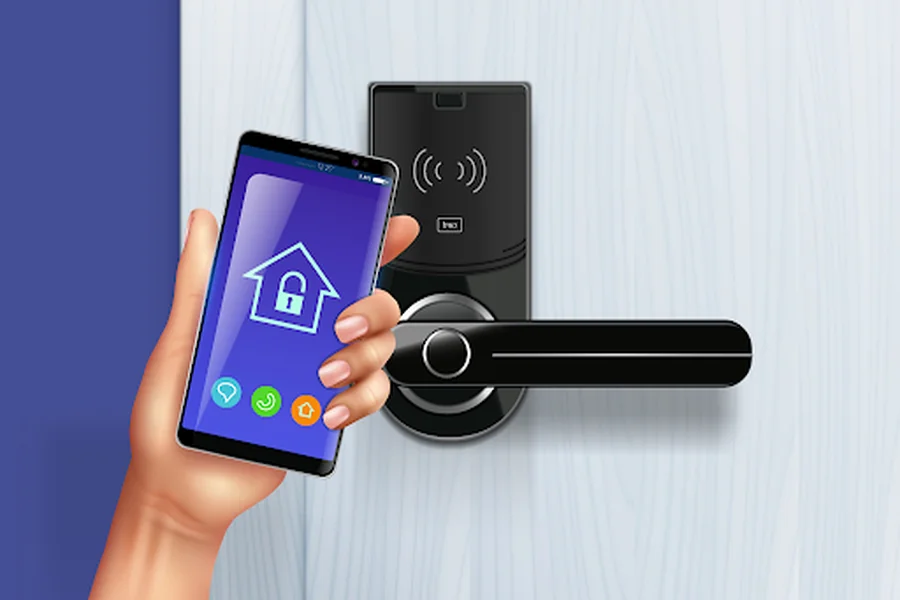
Security is an important consideration for offices, commercial properties, schools, residential developments and other shared spaces. While traditional keys and locks still have a role to play, modern buildings increasingly use electronic systems to control who can enter particular areas.
A door access system can provide a more organised way to manage entry and exit. Instead of relying entirely on physical keys, authorised users can gain access through methods such as cards, key fobs, PINs, mobile credentials or biometric identification.
For businesses and property managers considering a door access system in Singapore, the right solution depends on the building, number of users, security requirements and areas that need to be controlled. Understanding how these systems work can make it easier to assess whether an electronic access solution is suitable.
What Is a Door Access System?
A door access system is an electronic security solution designed to control access to a particular entrance. The system determines whether a person is authorised to enter and then allows or denies access accordingly.
A basic setup may include an electronic lock, access reader, controller and management software. When a user presents the required credential, the system checks the information and determines whether access should be granted.
How Electronic Access Control Works
The basic process is relatively straightforward. A person presents a credential to the reader installed near the door. The system verifies the credential against its access permissions.
If the credential is valid, the electronic lock releases and the person can enter. If the credential is not authorised, access remains locked.
Different systems use different forms of identification. A business might issue employees with access cards, while another property may use PIN codes, mobile credentials or biometric authentication.
The system can also be configured to restrict access based on time. For example, an employee may have permission to enter an office during working hours but not after a particular time.
Different Ways Users Can Gain Access
One of the advantages of modern access control is the variety of authentication methods available.
Access cards and key fobs are commonly used because they are relatively simple to issue and manage. If an employee leaves the organisation, their access permissions can be cancelled without changing the physical lock.
PIN-based systems provide another option. Users enter a predetermined code to unlock the door. However, organisations need to manage codes carefully because shared or easily guessed codes can reduce security.
Biometric systems can use characteristics such as fingerprints or facial recognition to identify users. Mobile-based systems can also allow authorised users to use smartphones as access credentials.
The appropriate method depends on the building’s requirements and the organisation’s approach to security and convenience.
Managing Access for Different People
One of the key benefits of an electronic door access system is that different people can receive different permissions.
For example, employees may have access to the main office, while only selected staff members can enter server rooms, storage areas or management offices.
This approach can help organisations control sensitive areas without issuing separate physical keys for every door.
Temporary access can also be useful. Contractors, visitors or temporary workers may need access for a limited period. Depending on the system, their credentials can be configured with specific restrictions.
This can provide more control than simply giving someone a physical key.
Keeping Track of Entry and Exit
Some access control systems can record information about access events. Depending on the system and configuration, administrators may be able to see when a credential was used and which door was accessed.
This can provide a useful record for security management and incident investigation.
Access records can also help organisations understand how certain areas are being used. However, businesses should ensure that any monitoring and data collection is handled in accordance with applicable privacy and data protection requirements.
The ability to maintain access records is one of the main differences between electronic access control and a conventional key.
Managing Lost Cards and Credentials
Physical keys can become a problem when they are lost. Depending on the circumstances, replacing the key or changing the lock may be necessary.
Electronic credentials can often be disabled through the access management system. A lost card or key fob can therefore be removed from the system without necessarily replacing every lock connected to it.
This can make access management more convenient for organisations with many employees.
The same principle applies when an employee leaves a company. Their access permissions can be revoked without requiring the organisation to collect and replace every physical key.
Controlling Different Areas of a Building
Not every part of a building needs the same level of access. A door access system allows property managers to create different access zones based on the needs of the building.
A typical office may have public areas, employee-only areas and restricted rooms. A residential development may have controlled access to shared facilities, management areas or service spaces.
This layered approach can make building security more structured.
Rather than treating the entire building as one access area, administrators can determine which people should be able to enter particular locations.
Integration With Other Security Systems
Modern access control systems can sometimes work alongside other security technologies.
For example, access control may be integrated with CCTV so that security personnel can review video footage associated with an access event. Some systems can also interact with alarms, intercoms, visitor management platforms and other building security equipment.
Integration can provide a more coordinated approach to security management.
However, not every system is compatible with every other system. Compatibility should therefore be considered during the planning stage.
Door Access Systems for Singapore Businesses
Singapore businesses operate in many different types of buildings, from traditional office spaces to modern commercial developments and industrial facilities.
The access requirements can vary considerably. A small office may only need controlled entry at one main door, while a larger organisation may need multiple access points with different permission levels.
Businesses should consider the number of users, number of doors, operating hours and areas requiring restricted access.
Scalability is another useful consideration. A system that works for a small company may need to accommodate more users and doors as the business grows.

What Happens During a Power Failure?
Power availability is an important consideration when installing an electronic access system. Depending on the design, doors may require backup power or a specific fail-safe or fail-secure arrangement.
The appropriate configuration depends on the type of door, building requirements and life-safety considerations.
Emergency exits are particularly important. Access control should never prevent occupants from leaving a building safely during an emergency.
For this reason, door access systems should be planned alongside the building’s wider fire and life-safety requirements.
Professional Installation Matters
Electronic access control involves more than installing a reader beside a door. The locking hardware, wiring, controller, software and other components need to work together correctly.
Professional installation can help ensure that the system is configured appropriately for the building.
The installer should also understand the property’s existing doors and security infrastructure. This is particularly important when upgrading an existing building rather than installing access control as part of a new construction project.
Regular maintenance may also be necessary to keep the system operating reliably.
Conclusion
A door access system can provide buildings with a more organised way to control entry and manage users. By replacing or supplementing traditional keys with electronic credentials, organisations can create different access permissions, restrict sensitive areas and manage lost credentials more efficiently.
For businesses and property managers in Singapore, the right solution depends on the building’s size, layout, users and security requirements. Access control can also be integrated with other security technologies to create a more coordinated system.
