

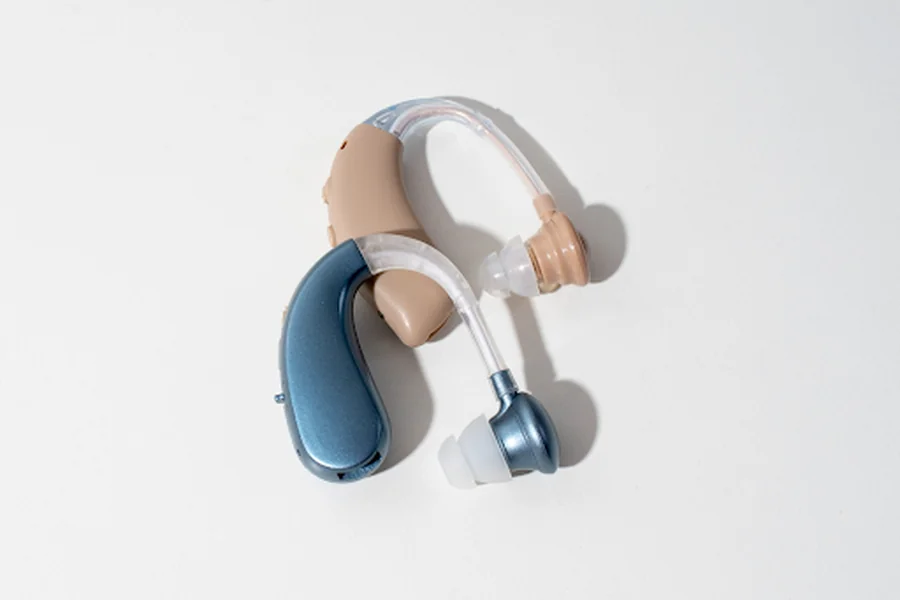
If you have searched for a hearing aid price list, you may have noticed that there can be a considerable difference between the prices of different devices. At first, this can be confusing. After all, hearing aids can look relatively similar from the outside, so why can one device cost considerably more than another?
The answer usually comes down to the technology inside the hearing aid, its design, the level of personalisation, additional features and the professional services included with the purchase. Reviewing a hearing aid price list can help buyers compare available models, understand their features and identify options that suit their hearing needs and budget.
Why Hearing Aid Prices Can Be Different
Hearing aids are available at different technology levels. Entry-level devices generally focus on essential amplification and sound processing, while more advanced models can offer additional processing capabilities and features.
The appropriate technology depends on the individual. Someone who spends most of their time in a quiet home environment may have different requirements from someone who regularly attends meetings, restaurants, social events or busy public spaces.
This is why the most expensive hearing aid is not automatically the right option for every person. The device needs to match the person’s hearing needs and lifestyle.
Entry-Level Hearing Aids
Entry-level digital hearing aids are designed to provide essential hearing support without including every advanced feature available in premium devices.
They may provide basic sound processing and amplification across different frequencies. Some can automatically make adjustments to suit changes in the listening environment, although the sophistication of these systems varies.
For someone who primarily needs support during simple conversations or in relatively quiet environments, an entry-level device may provide the functions that matter most.
Mid-Range Hearing Aids
Mid-range hearing aids generally provide a broader selection of features and more advanced sound processing than basic models.
They may be designed to handle a wider range of listening environments, including situations where there is moderate background noise. Some models may offer multiple listening programmes or automatic environmental adjustments.
Advanced Hearing Aids
Advanced hearing aids can include more sophisticated processing designed to help users manage complex listening environments.
Depending on the model, features may include advanced noise management, directional microphone systems, automatic environmental detection, wireless connectivity and rechargeable power.
Some devices can analyse changes in the surrounding sound environment and adjust their settings automatically. This may reduce the need for users to manually change programmes throughout the day.
Hearing Aid Style Can Affect the Price
The physical style of the hearing aid can also influence its cost.
Behind-the-ear hearing aids sit behind the ear and connect to an ear tip, mould or receiver. Receiver-in-canal designs are similar in that part of the device sits behind the ear, while the receiver is positioned closer to the ear canal.
In-the-ear hearing aids are fitted into the outer ear, while smaller in-canal styles are designed to sit inside the ear canal.
Rechargeable Versus Disposable Batteries
Power requirements are another factor to consider when comparing hearing aids.
Some devices use replaceable disposable batteries. Others have built-in rechargeable batteries and are placed into a charging station when not in use.
Rechargeable hearing aids can be convenient because users do not need to keep replacing small batteries. However, the technology involved can affect the initial purchase price.
Connectivity and Smartphone Features
Modern hearing aids can offer wireless connectivity with compatible smartphones and other devices.
Depending on the model, this may allow users to stream calls, music or other audio directly to their hearing aids. Some devices can also be controlled through a smartphone application, allowing users to adjust certain settings.
Professional Fitting Is an Important Part of the Cost
One of the most important things to check on a hearing aid price list is what is included in the quoted price.
A hearing aid needs to be appropriately programmed and fitted. After the initial fitting, adjustments may be required as the wearer becomes accustomed to the device or encounters different listening situations.
Some providers may include follow-up appointments, cleaning or servicing within a package, while others may charge separately for certain services.
Hearing Assessment Before Purchase
Choosing a hearing aid should normally begin with a hearing assessment rather than a price comparison.
An audiometric assessment can establish the person’s hearing sensitivity across different frequencies. The results help the hearing professional understand the type and degree of hearing loss.
This information can then be used when selecting and programming a suitable hearing aid.
Buying a device without understanding the user’s hearing requirements can result in a poor fit or inappropriate amplification. Professional assessment therefore plays an important role in the overall process.

What to Look for on a Hearing Aid Price List
A useful hearing aid price list should provide more than a single figure. It is helpful to understand the type of device, technology level, included features and services.
Look at whether the price includes the initial hearing assessment, fitting and programming. Check whether follow-up adjustments are included and whether the device has a manufacturer’s warranty.
It can also be useful to ask about servicing, repairs, replacement components, charging accessories and batteries.
Having this information makes it easier to understand the total cost of ownership rather than comparing only the purchase price.
Why Lifestyle Should Influence Your Choice
Hearing aids are worn in real-world environments, so lifestyle should be part of the decision.
Someone who spends most of their time at home may have relatively straightforward hearing requirements. Someone who attends meetings, travels frequently or spends time in restaurants may encounter more challenging listening conditions.
People who use smartphones extensively may also place greater importance on wireless streaming and app-based controls.
Discussing your typical day with a hearing professional can help identify which features are likely to be useful and which may not be necessary.
Price Should Be Considered Alongside Long-Term Use
A hearing aid is a device that may be used regularly for years, so durability, aftercare and ongoing support can matter as much as the initial purchase price.
A cheaper device may appear attractive initially, but it is still important to understand the warranty, servicing arrangements and availability of support.
Likewise, paying more for features that you rarely use may not provide much practical value.
The goal is to find a device that provides suitable hearing support while fitting comfortably into your daily routine and budget.
Conclusion
A hearing aid price list can contain a wide range of prices because hearing aids differ in technology, design, processing capabilities, connectivity and power systems. Entry-level devices can provide essential digital amplification, while mid-range and advanced models may offer additional processing and features for more complex listening environments.
The advertised price is only part of the picture. Professional fitting, follow-up care, warranty coverage, accessories and ongoing maintenance can all affect the overall cost.
