

When you unbox a poorly constructed t-shirt, the flaws are immediately apparent. The collar stretches out of shape, the side seams twist awkwardly after a single trip through the laundry, and the printed graphic feels like a heavy, rigid piece of plastic resting on your chest. Building a sustainable fashion brand on top of inferior textiles is a guaranteed way to drive up your return rates and crush your customer retention. To build a loyal buyer base, you must marry elite garment architecture with state-of-the-art decoration techniques. This comprehensive guide explores the structural mechanics, economic advantages, and studio workflows required to build a thriving apparel label from the ground up.
The Paradigm Shift: From Mass Warehousing to Micro-Fulfillment
For decades, the traditional retail playbook demanded massive upfront capital commitments. To secure competitive per-item pricing from overseas factories, creators had to order thousands of units of a single design across various sizes. This mass-production model created a massive barrier to entry and exposed independent designers to severe financial risk.
If a specific graphic or colorway failed to resonate with the target audience, the leftover inventory turned into dead stock, locking up capital that could have been used for marketing and brand expansion. Today, lean micro-fulfillment has completely shattered those old constraints. By maintaining a modest inventory of unprinted blank garments and utilizing on-demand production methods, modern brands operate with incredible financial agility.
Eliminating Minimum Order Penalties
Traditional screen printing operations enforced strict minimum order quantities to offset the heavy labor and chemical costs of setting up individual mesh screens for every single color in a design. This economic reality made small-batch collections and experimental designs financially unviable. Creators were forced to compromise their artistic vision, reducing complex color palettes and fine details down to basic spot colors.
By shifting to an on-demand fulfillment framework, these limitations vanish entirely. You can launch limited-edition seasonal drops, test niche artistic aesthetics, and respond instantly to fast-moving cultural trends without risking thousands of dollars on unproven inventory. Your cash flow stays healthy, your warehouse footprint remains minimal, and your creative freedom remains entirely unrestricted.
Capital Efficiency for Emerging Brand Founders
Financial liquidity is the lifeblood of any early-stage business. When you avoid tying up thousands of dollars in pre-printed inventory, you free up vital capital to invest in digital marketing, influencer partnerships, and customer acquisition strategies. This operational efficiency allows boutique brands to compete directly with legacy fashion houses by offering a constantly evolving catalog while keeping overhead costs remarkably low.
Textile Science: Why Base Garments Dictate Retail Success
An extraordinary graphic printed on a substandard shirt represents a major missed opportunity. The physical foundation of your product dictates how your customers perceive your brand value over time. Understanding textile science is essential for anyone serious about creating a durable, respected apparel line.
Traditional promotional t-shirts were typically constructed as tubular garments cut from carded open-end cotton. While inexpensive to produce, these shirts lacked structural integrity. They frequently twisted at the side seams after a few trips through a home washing machine, shrank unpredictably, and featured a rough, scratchy texture that felt heavy without offering actual durability. Building a premium label on such a weak foundation guarantees high customer churn and negative reviews.
The Structural Superiority of Combed and Ring-Spun Yarns
In contrast, modern decorators rely exclusively on smart blanks to ensure consistent quality. These garments undergo intensive processing, including ring-spinning and combing, which removes short, coarse fibers and aligns the remaining cotton into smooth, tightly twisted yarns. This meticulous manufacturing process creates an exceptionally flat, stable fabric face.
When you apply a graphic to this type of surface, the print integrates seamlessly into the fibers, offering a luxurious soft hand feel that customers associate with high-end retail stores. Furthermore, intelligent garment design incorporates structural tailoring such as side seams that mirror the human form, shoulder-to-shoulder taping for added durability, and double-needle stitching along the hems.
The Technical Evolution of Digital Film Decoration
While sourcing superior base apparel is essential, the method you choose to apply your artwork determines your studio efficiency and visual output. Traditional methods often forced designers to compromise on color depth, gradients, and fine details. Modern production workflows have eliminated these compromises entirely through the adoption of innovative digital techniques.
The industry has embraced dtf transfers as the ultimate solution for versatile, high-resolution decoration. This digital process allows printers to output vibrant full-color artwork onto a specialized release film, coat it with an activated adhesive powder, and cure it with heat. The resulting transfer can be stored indefinitely and pressed onto almost any textile substrate in seconds.
Molecular Bonding and Fabric Versatility
Understanding how a printed graphic bonds with a garment reveals why modern digital transfers outperform older decoration methods. When the heat press applies controlled temperature and mechanical pressure, the thermoplastic polyurethane adhesive powder melts into the interstitial spaces of the yarn. Rather than sitting as a rigid plastic sheet on top of the fabric, the adhesive creates a robust mechanical anchor that integrates with power and flexibility.
This molecular-level integration gives the graphic exceptional elasticity. As the wearer moves, the print stretches and flexes naturally alongside the garment without cracking or fracturing. Furthermore, because modern digital films allow white ink to be laid down precisely underneath color layers, your designs remain intensely opaque and vibrant on dark garments, ensuring your creative vision translates flawlessly from the digital screen to the physical fabric.
Expanding Into Diversified Product Categories
One of the greatest operational advantages of modern digital film decoration is its exceptional fabric versatility. While older printing methods struggled heavily with synthetic blends or required complex pretreatment liquids, digital transfers adhere securely to cotton, polyester, nylon, and complex canvas blends.
This technological flexibility allows your brand to launch diversified seasonal collections featuring hoodies, windbreakers, athletic gear, and canvas accessories while maintaining a uniform, high-quality aesthetic across every product category. You no longer need separate equipment setups for different fabric types, streamlining your workshop operations significantly.
Optimizing Studio Workflows for Flawless Execution
Running a successful merchandise business requires a clean, disciplined production workflow. To minimize material waste and guarantee consistent output, professional studios adhere to strict operational guidelines during every pressing cycle.
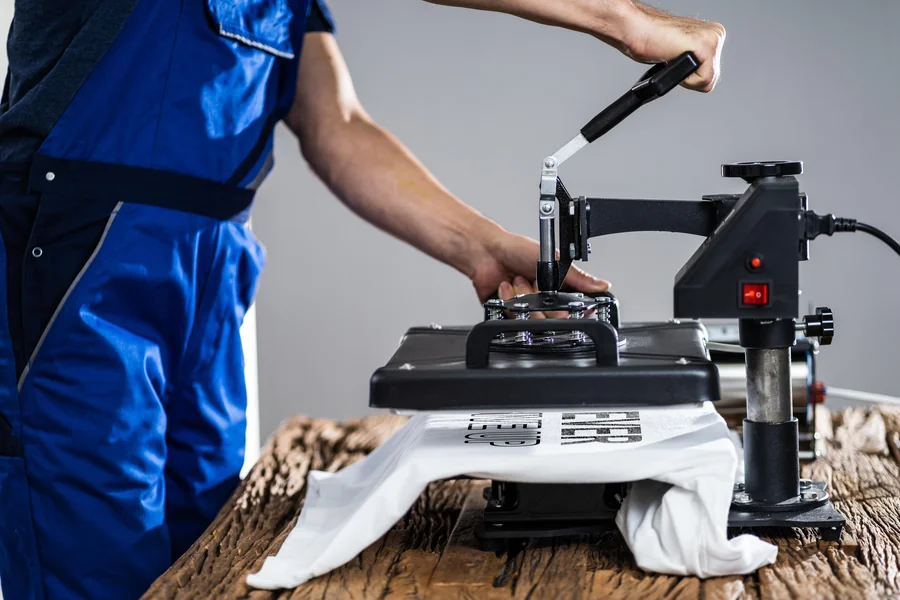
First, always execute a pre-pressing step on your blank garment for three to five seconds. This removes trapped ambient moisture and flattens microscopic creases that could otherwise compromise the adhesive layer. Next, ensure your industrial heat press is calibrated regularly using an infrared thermometer to prevent cold spots across the heating platen.
Finally, follow the specific time, pressure, and temperature guidelines recommended by your transfer supplier, and perform a secondary post-press with a protective matte sheet to lock the ink permanently into the fabric fibers. By streamlining these operational variables, your studio can achieve rapid turnaround times on e-commerce orders without compromising on quality.
Partnering with an established industry leader like Custom Premium Shirt guarantees that your foundational inventory remains uniform, reliable, and exceptionally well-crafted across every single batch you produce. Their commitment to superior manufacturing standards provides a rock-solid base for your creative vision, ensuring every item shipped out under your brand name reinforces your reputation for quality.
Frequently Asked Questions
What specific characteristics define smart blanks?
These garments feature combed or ring-spun cotton for an ultra-smooth print surface, side-seamed construction for a tailored fit, and structural reinforcements like shoulder-to-shoulder taping that prevent stretching and distortion over time.
How do digital film transfers handle heavy stretch and daily wear?
When applied correctly with commercial heat presses onto quality garments, digital film transfers offer exceptional elasticity and wash durability. They flex naturally alongside the textile without cracking or fracturing during active daily use.
Why is side-seamed construction critical for customer retention?
Side-seamed shirts follow the natural contours of the human body and maintain their geometric shape through countless laundry cycles, whereas tubular shirts twist awkwardly and degrade rapidly, leading to customer dissatisfaction.
Can small independent brands compete with major fashion labels using on-demand production?
Yes, by adopting an on-demand fulfillment model and partnering with reliable suppliers, independent brands can eliminate dead stock, offer diversified collections, and scale their businesses efficiently without massive upfront financial risk.
Building a thriving fashion brand demands an uncompromising dedication to material excellence and operational efficiency. By leaving behind the heavy financial risks of bulk manufacturing and embracing agile production methods, you position your business for long-term growth. Elevate your merchandise standards today by sourcing exceptional foundations from Custom Premium Shirt, pairing those garments with the vibrant versatility of dtf transfers to exceed your customers’ expectations at every turn.
