

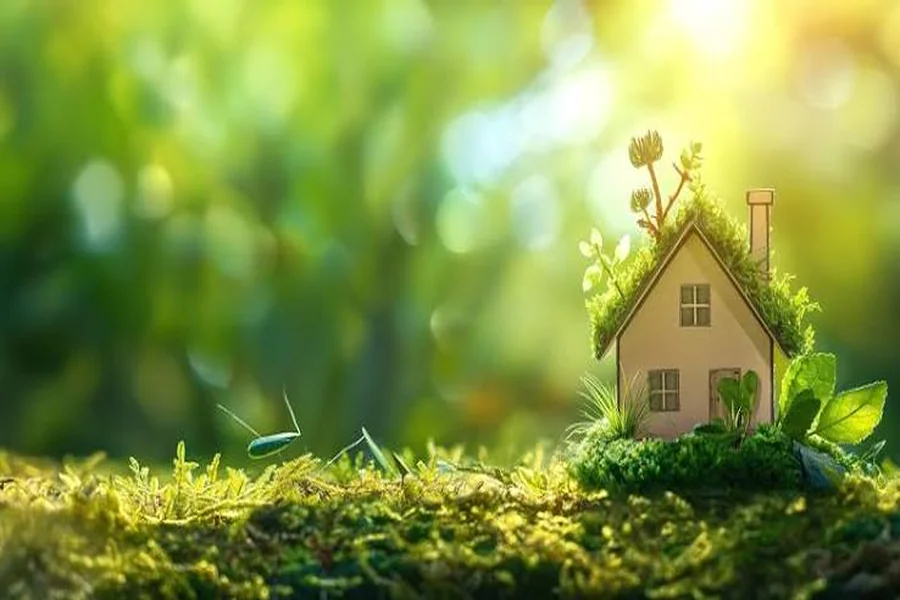
Welcome to the era where our homes reflect our deepest commitments to the planet and our own well-being. The concept of making environmentally friendly improvements is no longer a niche trend; it is a vital, permanent shift toward responsible living. When we talk about Green Upgrades: Eco-Conscious Changes for a Healthier Habitat, we are focusing on practical, highly impactful modifications that enhance our indoor environment while significantly reducing our ecological footprint. The way we build, decorate, maintain, and power our residences directly influences both our personal health and the global climate ecosystem. Adopting eco-friendly habits within our personal sanctuaries means we breathe cleaner air, consume fewer finite resources, and often save a substantial amount of money on utility bills over time. This shift requires a thoughtful combination of behavioral adjustments and physical renovations. From swapping out old, inefficient appliances for modern marvels of engineering to utilizing sustainable building materials for your next remodel, every small step contributes to a broader positive impact on the world. As environmental awareness grows, more homeowners and renters alike are actively seeking ways to align their modern lifestyles with true environmental stewardship. The journey toward a more sustainable household does not require a complete, overwhelming overnight overhaul. Instead, it invites thoughtful, deliberate decisions that incrementally improve the efficiency and health of your living space. By making informed choices, you can ensure that your daily life harmonizes beautifully with the natural world around us, fostering a home that is as nurturing to the earth as it is to your family.
The Core Principles of Sustainable Living
Understanding the foundation of an eco-friendly lifestyle is essential before diving into specific renovations or purchases. The core principles of sustainable living revolve around minimizing waste, maximizing resource efficiency, and prioritizing longevity over disposable convenience. At its heart, a sustainable home operates on the idea of a circular economy, where everything brought into the space has a purpose, a long lifespan, and a designated end-of-life plan that does not involve sitting in a landfill for centuries. This mindset shifts our focus from rapid consumption to mindful curation. One of the primary pillars is the reduction of energy and water consumption. We live in a world where natural resources are increasingly strained, and residential buildings account for a massive portion of global energy usage and greenhouse gas emissions. By taking steps to curb this consumption, you are directly participating in a global solution. Another fundamental principle involves assessing the lifecycle of the products you buy. This means looking beyond the immediate price tag and considering the environmental cost of manufacturing, shipping, and eventual disposal. A cheap piece of fast furniture might seem appealing today, but if it breaks in a year and cannot be recycled, its true cost to the planet is remarkably high. Embracing sustainable living also means reconnecting with your local environment. It encourages us to utilize natural sunlight, optimize cross-ventilation for cooling, and perhaps even grow a portion of our own food. When you adopt these core principles, every subsequent decision regarding home improvement becomes clearer, guided by a steadfast commitment to preserving the environment for future generations.
Energy Efficiency and Smart Innovations
When upgrading your home, improving energy efficiency is arguably the most effective way to reduce your carbon footprint while simultaneously lowering your monthly expenses. The advent of smart home technology has revolutionized how we interact with our living spaces, making it easier than ever to monitor and control our energy consumption. A smart thermostat is a prime example of this technological leap. These intuitive devices learn your daily schedule, adjusting the heating and cooling systems to optimize comfort when you are home and conserve energy when you are away. Over the course of a single year, a smart thermostat can drastically reduce unnecessary energy expenditure without requiring you to sacrifice an ounce of comfort. Lighting is another critical area ripe for green upgrades. Transitioning entirely to Light Emitting Diode (LED) bulbs is a simple, cost-effective change that yields massive returns. LEDs use a fraction of the electricity required by traditional incandescent bulbs and last exponentially longer, drastically reducing both energy use and physical waste. Beyond lighting and climate control, investing in high-efficiency appliances is a cornerstone of an eco-conscious home. Modern refrigerators, washing machines, and dishwashers are designed to accomplish their tasks using significantly less water and power. When shopping for these items, seeking out energy certification labels ensures you are purchasing a unit that meets strict efficiency guidelines. Furthermore, addressing your home’s insulation and sealing drafts is an invisible but highly impactful upgrade. Proper insulation in the attic, walls, and floors prevents heat from escaping during the winter and entering during the summer, easing the burden on your HVAC system. For those ready to make a substantial commitment, solar panel installation offers the ultimate energy upgrade, allowing you to generate your own clean, renewable power and potentially achieve energy independence.
Sustainable Materials for Your Home
The physical components that make up our homes—the floors we walk on, the paint on our walls, and the cabinets in our kitchens—have a profound impact on indoor air quality and the broader environment. Historically, many standard building materials were manufactured using toxic chemicals and harvested through destructive practices. Today, the market is rich with sustainable alternatives that do not compromise on aesthetics or durability. Reclaimed wood is a fantastic example of a sustainable material that adds unmatched character to a home. By salvaging timber from old barns, factories, or warehouses, you prevent deforestation and bypass the energy-intensive milling process associated with new lumber. Bamboo is another highly celebrated eco-friendly option. While it mimics the look and feel of hardwood, bamboo is actually a fast-growing grass that can be harvested repeatedly without killing the plant, making it a highly renewable resource for flooring and cabinetry. The quality of your indoor air is equally important when considering green upgrades. Traditional paints, varnishes, and adhesives often contain Volatile Organic Compounds (VOCs), which slowly off-gas into your home, contributing to respiratory issues and environmental pollution. Choosing zero-VOC or low-VOC paints and finishes is a crucial step in creating a healthier habitat. These advanced formulations provide excellent coverage and vibrant colors without the lingering toxic fumes. Additionally, when selecting furniture and textiles, prioritizing organic natural fibers like cotton, wool, and hemp over synthetic, petroleum-based fabrics helps reduce microplastic pollution. By thoughtfully selecting the materials that surround you, you create a living space that is visually stunning, exceptionally durable, and fundamentally kind to the earth.
Water Conservation Strategies
Fresh water is one of our most precious and finite natural resources, yet the average household unknowingly wastes thousands of gallons every year. Implementing water conservation strategies is an essential component of creating a truly green home. Inside the house, the easiest and most immediate upgrade is the installation of low-flow fixtures. Low-flow showerheads, faucet aerators, and dual-flush toilets are engineered to provide strong water pressure and excellent functionality while using drastically less water than older models. These fixtures are relatively inexpensive, simple to install, and pay for themselves very quickly through reduced utility bills. Upgrading to a modern, water-efficient washing machine and dishwasher also significantly cuts down on household water usage. Outside the home, landscaping practices offer huge opportunities for conservation. Traditional turf lawns require staggering amounts of water, chemical fertilizers, and maintenance to stay green. Transitioning to xeriscaping or planting native species is a brilliant eco-conscious change. Native plants are naturally adapted to your local climate and rainfall levels, meaning they require little to no supplemental watering once established. Implementing a rainwater harvesting system, even a simple rain barrel connected to your gutter downspouts, allows you to capture free, natural water for your garden, further reducing your reliance on the municipal water supply. Furthermore, utilizing organic mulch in your garden beds helps retain soil moisture, suppresses weeds, and enriches the earth as it slowly breaks down. By adopting these comprehensive water-saving techniques, you protect local watersheds and ensure that this vital resource is preserved.
FAQs
What is the most cost-effective green upgrade for a home? Switching entirely to LED lighting and installing a programmable or smart thermostat are among the most cost-effective upgrades, offering immediate reductions in energy consumption and quick financial returns.
Do sustainable building materials cost more than traditional ones? While some sustainable materials like high-end reclaimed wood may have a higher upfront cost, many options like bamboo or low-VOC paints are competitively priced and offer greater longevity and health benefits.
How do low-flow fixtures actually save water? Low-flow fixtures use mechanisms like aerators to mix air into the water stream, maintaining strong pressure while significantly reducing the actual volume of water flowing through the tap or showerhead.
Can renting prevent me from making eco-conscious changes? No, renters can make numerous non-permanent changes such as using smart plugs, changing showerheads, utilizing window films for insulation, and adopting eco-friendly cleaning products.
Are solar panels worth the investment for a standard home? For most homes with adequate roof sunlight, solar panels are an excellent long-term investment that dramatically lowers electricity bills and increases property value, despite the initial installation cost.
Final Thought
Transitioning to a more sustainable lifestyle is an ongoing, rewarding journey rather than a single destination. As we have seen, making environmentally responsible choices for your home encompasses everything from the lightbulbs you screw in to the building materials you select for a renovation. Each decision, no matter how minor it may seem in isolation, weaves together to form a substantial defense against environmental degradation and climate change. By embracing these modifications, you are not merely upgrading a physical structure; you are actively cultivating a sanctuary that promotes better physical health, mental well-being, and financial savings. The effort you invest today in energy efficiency, resource conservation, and mindful consumption will echo into the future, providing a cleaner, more vibrant world for the generations that follow. Start where you are, use what you have, and continuously strive to make your home a true reflection of respect for the natural world.

1 thought on “Green Upgrades: Eco-Conscious Changes for a Healthier Habitat ”