

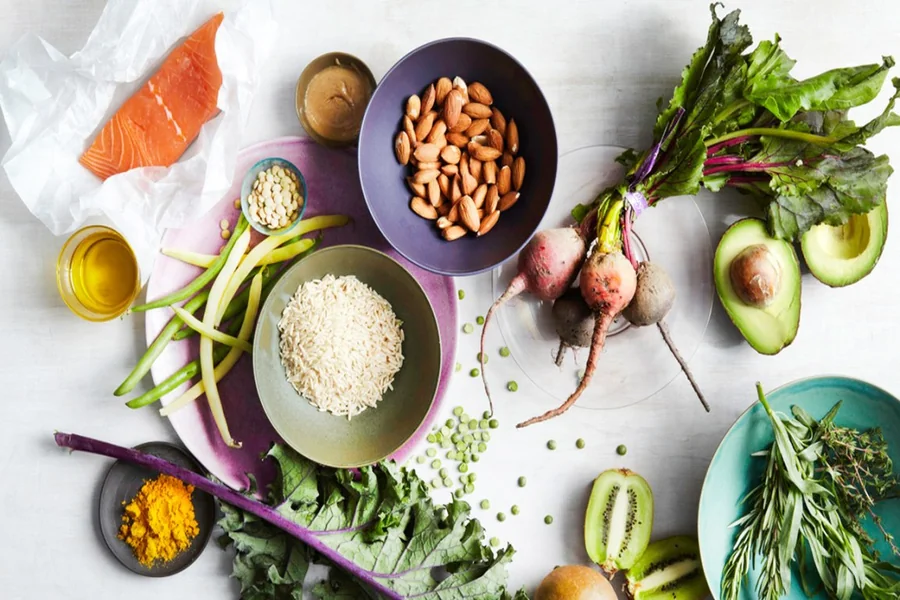
The foods we eat can play an important role in overall health, including the health of the brain. A balanced diet provides nutrients that support normal brain function, energy levels, blood flow, and overall well-being. While no single food can guarantee better memory or prevent cognitive decline, choosing a variety of nutritious foods can be part of a healthy lifestyle.
Foods That Support Brain Health include vegetables, fruits, whole grains, beans, nuts, seeds, fish, and other nutrient-rich options. Healthy eating patterns such as Mediterranean- and MIND-style diets emphasize many of these foods. Research continues to examine how diet may relate to cognitive health, and current evidence suggests that overall eating patterns may matter more than any one food.
Leafy Green Vegetables
Leafy green vegetables are among the most useful foods to include in a brain-friendly eating pattern. Spinach, kale, broccoli, lettuce, mustard greens, and other dark green vegetables provide vitamins, minerals, fiber, and plant compounds.
These vegetables can be added to meals in many simple ways. You can include spinach in an omelet, add leafy greens to soups, or serve cooked vegetables alongside rice and beans. Making vegetables a regular part of meals can help create a balanced and nutrient-rich diet.
Research has found an association between regular consumption of green leafy vegetables and slower age-related cognitive decline, although this does not prove that leafy greens alone prevent cognitive problems.
Berries and Other Colorful Fruits
Berries such as blueberries, strawberries, raspberries, and blackberries are popular choices for a brain-friendly diet. They contain fiber and naturally occurring plant compounds, while also adding flavor without requiring added sugar.
Other fruits can also contribute valuable nutrients to a balanced diet. Apples, oranges, grapes, guava, papaya, and other colorful fruits can be convenient snacks or additions to breakfast and meals.
Instead of relying on one specific fruit, try eating a variety of fruits throughout the week. Different fruits provide different combinations of vitamins, minerals, fiber, and plant compounds.
Fatty Fish and Omega-3 Foods
Fatty fish are well known for providing omega-3 fatty acids, including DHA and EPA. Salmon, sardines, trout, mackerel, and similar fish can be included as part of a balanced eating pattern.
DHA is an important structural component of the brain, while fish also provides high-quality protein and other nutrients. Including fish in meals can therefore contribute to an overall nutrient-dense diet.
For people who do not eat fish, plant foods such as walnuts, chia seeds, flaxseeds, and hemp seeds can provide another source of healthy fats. However, the types and amounts of omega-3 fats differ between seafood and plant sources.
Nuts, Seeds, and Healthy Fats
Nuts and seeds are convenient foods that can add healthy fats, protein, fiber, vitamins, and minerals to everyday meals. Walnuts, almonds, peanuts, pumpkin seeds, sunflower seeds, and chia seeds are easy options.
You can sprinkle seeds over oatmeal or yogurt, add nuts to a salad, or enjoy a small handful as a snack. Because nuts and seeds are calorie-dense, reasonable portions can help keep meals balanced.
Healthy fats can also come from foods such as avocado and plant oils. Choosing unsaturated fats more often while limiting excessive saturated and trans fats can support an overall heart-healthy eating pattern, which is also relevant to brain health.
Whole Grains, Beans, and Legumes
Whole grains such as oats, brown rice, whole-wheat bread, barley, and whole-grain cereals provide carbohydrates for energy along with fiber and other nutrients. Since the brain requires a steady supply of energy, balanced carbohydrate choices can be useful as part of regular meals.
Beans and legumes, including lentils, chickpeas, black beans, kidney beans, and peas, provide plant-based protein, fiber, vitamins, and minerals. They are also affordable and versatile ingredients.
Combining whole grains with beans, vegetables, and healthy fats can create filling meals without relying heavily on highly processed foods. High-fiber foods are also part of healthy dietary patterns that researchers are studying in relation to brain and cognitive health.
Eggs, Dairy, and Other Nutrient-Rich Foods
Eggs can be a convenient source of protein and several important nutrients. They can be included in breakfast, sandwiches, salads, or simple meals. Dairy foods such as plain yogurt and milk can also provide protein and other nutrients.
For people who avoid dairy, fortified alternatives may provide similar nutrients depending on the product. Reading nutrition labels can help you choose options that are lower in added sugar and provide useful nutrients.
Lean poultry, seafood, tofu, and other protein-rich foods can also fit into a balanced eating pattern. Rather than focusing on one “brain food,” it is generally more useful to build meals from a variety of nutritious food groups.
Simple Ways to Build a Brain-Friendly Diet
Creating a diet that supports overall health does not need to be complicated. Start by making vegetables and fruits regular parts of your meals. Choose whole grains more often, include beans or other healthy protein sources, and add nuts or seeds when appropriate.
A simple meal might include brown rice, lentils, cooked vegetables, and fish. Breakfast could include oatmeal with fruit and nuts, while a quick lunch might combine whole-grain bread, eggs, vegetables, and yogurt.
It is also helpful to limit excessive amounts of highly processed foods, added sugar, excess salt, and unhealthy fats. Healthy eating patterns associated with brain health generally emphasize vegetables, fruits, whole grains, beans, nuts, fish, and other nutrient-rich foods rather than relying on supplements or individual “superfoods.”
Final Thought
Foods That Support Brain Health are not limited to one special ingredient or supplement. A varied and balanced eating pattern that regularly includes vegetables, fruits, whole grains, beans, fish, nuts, seeds, and other nutritious foods can provide many nutrients needed for overall health.
The goal is to make healthy choices consistently rather than searching for a single food that promises dramatic results. Along with nutritious eating, adequate sleep, physical activity, managing cardiovascular risk factors, and avoiding smoking can all contribute to maintaining brain health over time.
FAQs
1. What foods support brain health?
Leafy green vegetables, berries, fish, nuts, seeds, whole grains, beans, and other nutrient-rich foods can be part of a healthy eating pattern that supports overall brain health.
2. Are berries good for brain health?
Berries provide fiber and naturally occurring plant compounds and can be included as part of a varied, balanced diet.
3. Is fish important for brain health?
Fish provides protein and omega-3 fatty acids such as DHA and EPA. Fatty fish can be included as part of a balanced eating pattern.
4. Are nuts good for the brain?
Nuts provide healthy fats, protein, fiber, vitamins, and minerals. Walnuts, almonds, and peanuts are convenient options.
5. Can vegetables support cognitive health?
Vegetables provide fiber, vitamins, minerals, and plant compounds. Green leafy vegetables in particular have been studied for their relationship with cognitive health.
6. What is a simple brain-friendly breakfast?
Oatmeal with berries and nuts, eggs with whole-grain toast and vegetables, or plain yogurt with fruit and seeds can provide a balanced combination of nutrients.
7. Can one food prevent memory loss?
No single food has been proven to prevent age-related cognitive decline or Alzheimer’s disease. Overall dietary patterns and healthy lifestyle habits are more important to consider.
