

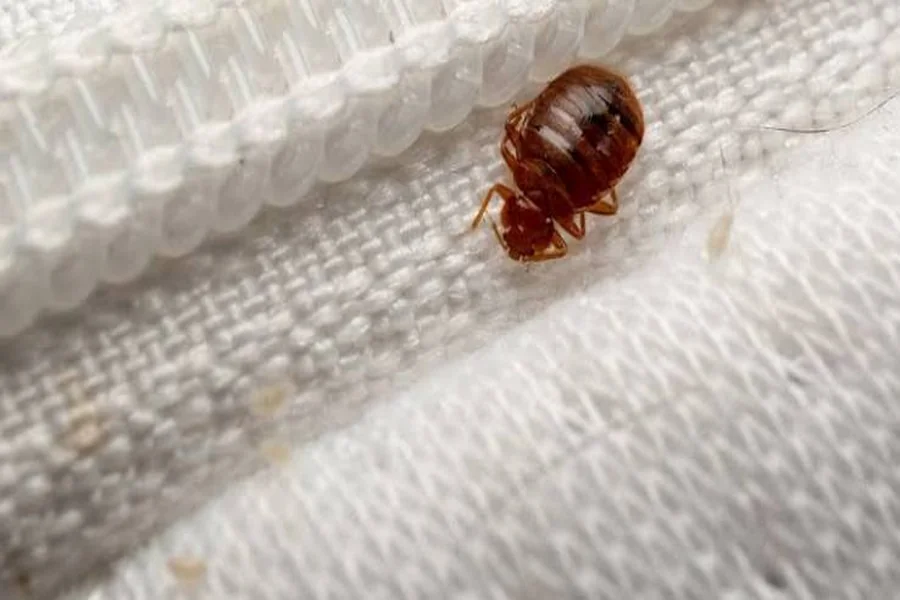
Hotel employees often notice pest activity before managers or exterminators. However, one suspicious mark does not always confirm an infestation. Staff must recognize reliable signs of bed bugs, record their locations, and report them. A calm response protects guests, limits unnecessary room closures, and gives professionals accurate information. The following five clues deserve immediate attention during housekeeping, maintenance, and routine room inspections.
Live Insects Are Clear Signs of Bed Bugs
Live insects provide the clearest signs of bed bugs. Adult bed bugs have flat, oval, reddish-brown bodies, while young nymphs appear smaller and paler. Staff commonly discover them along mattress seams, behind headboards, inside box springs, or beneath upholstered furniture.
Employees should avoid crushing or discarding the insect. Instead, they should place it in a sealed, transparent container when possible.
Staff should not move the bed, mattress, or nearby furniture through hallways because hidden insects may fall into other areas. Managers can temporarily remove the room from service and arrange a professional inspection.
Dark Fecal Spots Around Beds and Furniture
Bed bug fecal spots often resemble black dots or small ink smears. Staff may find them on sheets, mattress piping, bed skirts, headboards, nightstands, walls, or furniture seams. Because the waste contains digested blood, it may soak into fabric rather than brush away like ordinary dirt.
Several marks clustered near a sleeping area may indicate a nearby hiding place. Still, stains cannot reveal the infestation’s size or prove that every mark is recent.
Housekeepers should photograph suspected marks before replacing linens or cleaning surfaces. When fecal spots appear with eggs, shed skins, or live insects, the combined signs of bed bugs provide stronger evidence. Professionals can then inspect the room and determine whether nearby spaces also need attention.
Shed Skins and Eggs Are Signs of Bed Bugs
Young bed bugs shed their outer coverings as they grow. These empty casings look pale, dry, translucent, and insect-shaped. Employees may find them inside mattress seams, beneath labels, around bed frame joints, under cushions, or along baseboards.
Bed bug eggs create another warning. They appear tiny, pearly white, and attached to sheltered surfaces. Eggs beside casings or fecal spots may indicate that bed bugs have reproduced nearby.
Housekeepers should never sweep away possible signs of bed bugs before documenting them. If practical, they can collect a casing with tweezers and place it inside a sealed bag or container. Accurate identification prevents unnecessary treatment and helps technicians focus on confirmed hiding places.
Rust-Colored Bloodstains on Guest Bedding
Small rust-colored marks may appear when a recently fed bed bug becomes crushed on a sheet or pillowcase. However, bloodstains can have several causes, so staff should never treat them as proof on their own. Instead, they should inspect the mattress, box spring, bed frame, and headboard for signs of bed bugs.
Recurring stains in the same room deserve closer attention, particularly when guests also report bites or visible insects. Housekeepers should note whether the marks appeared on freshly changed bedding and avoid carrying linens against their uniforms.
When bloodstains accompany fecal spots, eggs, casings, or insects, these combined signs of bed bugs can indicate a more credible problem than a single unexplained mark.
Guest Bite Complaints and Unusual Musty Odors
Guests may report red, itchy bumps after sleeping, but bites alone cannot identify bed bugs. Fleas, mosquitoes, allergies, and several skin conditions can produce similar reactions. Hotel staff should listen respectfully, record the details, and avoid offering a medical diagnosis.
A strong, unusual musty odor may accompany a substantial infestation. Nevertheless, employees should use odor only as a basis for further inspection. Housekeepers should record the room number, complaint time, and any furniture guests used before reporting symptoms.
Repeated complaints connected to the same room or adjoining rooms strengthen the need for professional evaluation. Physical signs of bed bugs must guide the final identification. Managers should protect guest privacy while coordinating inspections and any necessary room closures.
Check Out the Bugs Before More Guests Check In
Live insects, fecal spots, shed skins, eggs, bloodstains, bites, and odors require prompt documentation. Still, trained professionals should confirm the signs of bed bugs and assess the surrounding rooms before treatment. Staff should leave furniture in place, preserve evidence, and follow the hotel’s response protocol.
Managers can review professional help for stubborn bed bug activity before arranging an inspection. Quick action protects guests, supports staff, and prevents a limited discovery from disrupting more rooms or damaging the hotel’s reputation.

1 thought on “5 Signs of Bed Bugs in Hotels That Staff Should Never Ignore”