

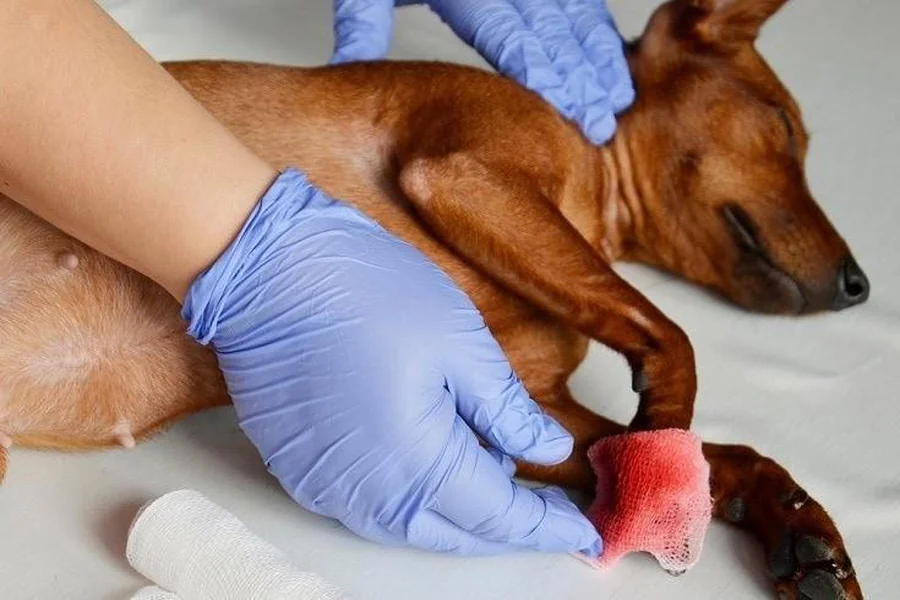
You know your pet’s normal rhythm. The way they greet you, how fast they eat, where they like to rest, the sounds they make when they want out or want dinner. When that rhythm changes fast, your gut usually notices before your mind catches up. You might be standing in the kitchen at midnight, watching your dog pace and pant, or seeing your cat hide under the bed and refuse food, trying to decide if this is something that can wait until morning. In moments like these, access to veterinary diagnostics in Murrieta, CA can help you get answers quickly.
That hesitation is common, and it comes from a real place. Emergency vet care can be stressful, expensive, and hard to sort through when you are scared. Still, some symptoms should push the question aside. If your pet is struggling to breathe, has uncontrolled bleeding, collapses, or shows signs of severe pain or poisoning, you need immediate help from a general veterinarian or emergency clinic. The safest rule is simple. A sudden, serious change in breathing, movement, awareness, or comfort is not a wait and see moment.
Breathing trouble is one of the clearest pet emergency signs
If your pet cannot get enough air, every minute matters. Fast breathing after play is one thing. Labored breathing at rest is different. You may see the chest working hard, the belly pushing in and out, flared nostrils, wheezing, blue or pale gums, or a neck stretched forward as if your pet cannot get comfortable. Cats often hide breathing distress well, which makes it even more dangerous. A quiet cat sitting still with an open mouth is in trouble.
This is where people lose time because the signs can look subtle at first. Maybe your dog just seems restless, or your cat is crouched in a strange position. Then the effort to breathe becomes obvious, and the situation turns fast. According to Texas A&M Veterinary Medicine, trouble breathing is one of the emergency warning signs in pets that needs prompt veterinary care.
Do not offer food or water if your pet is struggling to breathe. Keep them calm, limit movement, and go in right away.
Collapse, seizures, or sudden weakness need immediate veterinary attention
A pet that suddenly falls over, cannot stand, seems disoriented, or has a seizure needs care now. This includes episodes that pass quickly. A dog may collapse, get up, and act almost normal a few minutes later. A cat may wobble, stare, or seem unable to use the back legs. Those changes can point to heart disease, internal bleeding, toxin exposure, low blood sugar, neurological problems, or a clot.
The hard part is how easy it is to second guess what you saw. You may wonder if your pet slipped, got startled, or just overdid it outside. If your pet loses consciousness, shakes uncontrollably, cannot rise, or seems suddenly weak, assume it is serious until proven otherwise. A delayed response can turn a treatable problem into a crisis.
Urgent pet symptoms like collapse and seizure activity should never be monitored at home without speaking to a veterinarian first. If a seizure is happening, move nearby objects away so your pet does not get hurt, but do not put your hands near their mouth.
Heavy bleeding, major vomiting, or a swollen abdomen can signal a crisis
Blood gets attention fast, but internal problems can be just as dangerous when there is no visible wound. Bleeding that does not stop after a few minutes of firm pressure needs care right away. Repeated vomiting, vomiting blood, black stool, or severe diarrhea can lead to dehydration and shock, especially in small pets, puppies, kittens, and older animals.
A swollen or tight abdomen is another red flag. In dogs, this can be linked to bloat, which can become fatal in a short window. Your dog may retch without bringing anything up, pace, drool, or look panicked. In cats and dogs, abdominal swelling can also point to internal bleeding, fluid buildup, or a blocked urinary tract. If your pet cries when touched, cannot get comfortable, or looks suddenly distended, do not wait for the next appointment slot.
This falls under signs your pet needs urgent care because the cause is often impossible to sort out at home. What looks like an upset stomach may be an obstruction, pancreatitis, poison, or a surgical emergency.
Poisoning, severe pain, and urinary blockage can become life threatening fast
Pets get into things quietly. Sugar free gum, grapes, lilies, chocolate, xylitol, rodent bait, human medications, and some cleaning products can all cause rapid harm. Sometimes there is clear evidence, like a chewed bottle or torn package. Sometimes all you see is drooling, vomiting, tremors, agitation, or sudden lethargy. If you suspect poisoning, call a veterinarian right away and bring the packaging if you have it.
Severe pain also counts as an emergency, even if you cannot see the cause. A pet that cries out, trembles, pants, hides, snaps when touched, or cannot settle is telling you something is very wrong. Male cats that strain in the litter box, produce little or no urine, yowl, or keep making trips to urinate may have a urinary blockage. That is a medical emergency, not a behavior issue.
Cornell’s emergency and critical care service lists trauma, toxin exposure, difficulty urinating, and severe gastrointestinal signs among reasons pets need fast evaluation at an emergency veterinary hospital.
Home monitoring and immediate veterinary care are not equal choices
| Situation | Watchful waiting may be reasonable | Immediate veterinary care is safer |
|---|---|---|
| Breathing | Brief panting after exercise that resolves with rest | Labored breathing, open mouth breathing in cats, blue or pale gums |
| Vomiting | One mild episode, then normal behavior and drinking | Repeated vomiting, blood, weakness, bloated belly, inability to keep water down |
| Mobility | Minor limp after rough play, still bearing weight | Collapse, sudden weakness, dragging limbs, seizure, inability to stand |
| Urination | Single accident with otherwise normal urination | Straining, crying, frequent attempts with little or no urine, especially in male cats |
| Pain | Mild soreness that improves with rest | Crying out, shaking, hiding, swollen abdomen, aggression when touched |
Three steps to take when your pet may need a veterinarian now
- Look for the pattern, not just one symptom. A single sign can be easy to dismiss. Breathing trouble plus restlessness, vomiting plus weakness, or straining to urinate plus vocalizing tells a clearer story. Sudden combinations matter.
- Keep your pet calm and limit movement. Excitement can worsen breathing problems, bleeding, and pain. Use a carrier for cats and small dogs. For larger dogs, support them with a towel under the body if needed. Do not force food, water, or medication unless a veterinarian tells you to.
- Call ahead and leave now if the signs are severe. If your pet is having trouble breathing, collapsing, actively seizing, bleeding heavily, or showing signs of poisoning, go in immediately. Calling ahead helps the clinic prepare, but it should not delay you.
When something feels off, you are usually responding to a real change, not overreacting. Pets cannot explain what hurts, so you are reading the small shifts that most people would miss. Trust that instinct. Fast action during a true emergency can protect your pet from more pain and give the veterinarian a much better chance to help.
If your pet is showing any of these signs, seek veterinary care right away.
