

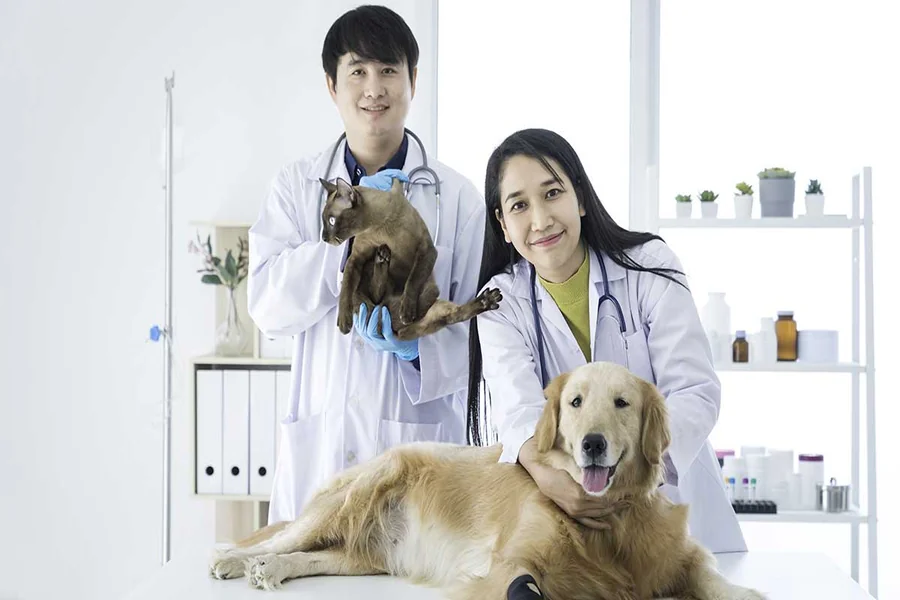
You notice it the moment your pet seems off. Maybe your dog skips breakfast, your cat hides under the bed, or a small limp suddenly looks like more than a small limp. That uneasy feeling builds fast, and the next question is usually practical. Where do you go, and what kind of care will your pet actually get from a reliable Roanoke emergency vet and animal hospital?
Not every animal care facility offers the same level of support. Some places handle basic boarding or grooming, while a true animal hospital is built to diagnose illness, manage urgent problems, and guide you through prevention before trouble starts. The difference often comes down to services, not signs on the building.
That matters when time, money, and your pet’s comfort are all on the line. Knowing what separates veterinary clinics from other facilities helps you choose care with fewer surprises, better follow through, and a clearer plan for your pet’s health.
Preventive care keeps small issues from becoming expensive emergencies
Pets rarely announce that something is wrong in a clear way. They slow down, drink more water, scratch more than usual, or act just a little different. Those changes are easy to miss until they turn into infection, pain, or a late night emergency visit. One of the clearest differences between a veterinary clinic and a nonmedical facility is preventive care.
Routine exams, vaccinations, parasite screening, wellness bloodwork, weight checks, and dental evaluations create a health baseline for your pet. That baseline helps a veterinarian spot shifts early. A kennel staff member or groomer may notice that your dog seems tired, but they are not there to diagnose diabetes, kidney disease, or dental infection.
Prevention also protects your household. The CDC offers useful guidance on healthy habits for living with dogs, including hygiene, vaccination, and routine veterinary care that lowers disease risk for both pets and people. That kind of public health connection is one reason veterinary medicine stands apart from general animal care services.
Diagnostic services give you answers instead of guesswork
When a pet is sick, guessing gets expensive fast. You may try a diet change, wait a few days, or hope rest will fix it. Sometimes that works. Sometimes it delays treatment while the real problem gets worse.
Diagnostic tools are one of the core animal hospital services that set veterinary facilities apart. In house lab work, fecal testing, urinalysis, digital imaging, and physical exams done by trained medical staff can turn vague symptoms into a treatment plan. Vomiting might be a minor stomach upset, or it could point to pancreatitis, an obstruction, or toxin exposure. Limping could be a strained muscle, or it could be a fracture or joint disease.
That difference affects cost as much as care. A fast diagnosis often prevents repeated visits, trial and error treatments, and worsening symptoms. If your pet has a fever, drinks excessively, or stops eating, access to clinical resources matters. The CDC maintains clinical resources for pet health and zoonotic disease concerns that reflect how closely pet care and medical decision making are linked.
Treatment and urgent care support pets when the problem cannot wait
Some facilities can observe your pet. Veterinary clinics can treat your pet. That distinction becomes painfully clear when an issue moves from “watch and see” to “something is wrong right now.”
Medical treatment may include wound care, fluids, medications, pain control, hospitalization, surgical care, and ongoing monitoring. If your dog develops sudden lethargy after exposure to standing water or wildlife areas, a veterinarian may consider illnesses such as leptospirosis. The CDC explains how leptospirosis affects pets, including signs that need prompt medical attention.
This is where many owners feel caught off guard. They assumed any pet facility could “help” in a broad sense, then find out too late that help only meant temporary supervision or a recommendation to go somewhere else. A veterinary clinic is designed for medical response, not just animal handling.
Long term care planning supports chronic conditions and aging pets
Puppies and kittens need vaccines and parasite prevention, but older pets often need something more layered. Arthritis, allergies, heart disease, kidney disease, diabetes, and dental decay do not resolve in one visit. They need monitoring, medication adjustments, nutrition guidance, and a team that tracks changes over time.
This is another point of separation between pet care clinics and facilities centered on nonmedical services. Long term management is not just a refill or a reminder card. It is a record of trends, lab results, symptom changes, and quality of life conversations that help you make steady decisions instead of crisis decisions.
You feel that difference at home. A pet with chronic pain may stop jumping on the couch. A cat with kidney disease may lose weight slowly enough that you do not notice until the body condition has changed a lot. Regular follow up gives you a way to respond early, when treatment is often simpler and your pet feels better faster.
Veterinary clinics and other facilities serve different roles
| Service Area | Veterinary Clinic or Animal Hospital | Nonmedical Pet Facility |
|---|---|---|
| Preventive care | Exams, vaccines, parasite testing, wellness plans | May require proof of vaccines but does not provide medical exams |
| Diagnostics | Lab work, imaging, physical assessment, diagnosis | Observes symptoms but cannot diagnose medical conditions |
| Treatment | Medications, wound care, fluids, surgery, hospitalization | Basic supervision only, often refers out for treatment |
| Chronic disease management | Monitors long term illness and adjusts care plans | Not equipped for medical follow up or treatment changes |
Clear next steps help you choose the right care sooner
- Check what medical services are actually offered.
Ask whether the facility provides exams, diagnostics, urgent care, surgery, and follow up. Do not assume “pet care” means medical care. The gap between those two ideas is where delays happen.
- Pay attention to subtle behavior changes.
Eating less, hiding, limping, coughing, increased thirst, and bathroom changes are often the first signs of trouble. Write down when the change started and what you have seen. That record helps a veterinarian act faster.
- Build a relationship before an emergency happens.
Establish care with a clinic during a routine visit, not during a crisis. It is easier to make calm, informed choices when your pet already has a medical history on file and a team that knows their baseline.
Your pet depends on you to tell the difference between convenience and care. The four services above, prevention, diagnostics, treatment, and long term management, are what separate many veterinary clinics from other facilities. When you choose a true animal hospital, you are choosing a place that can move from concern to answers to treatment without losing time.
If your pet has been acting differently or is due for routine care, schedule a visit and get a clear medical plan in place.
