

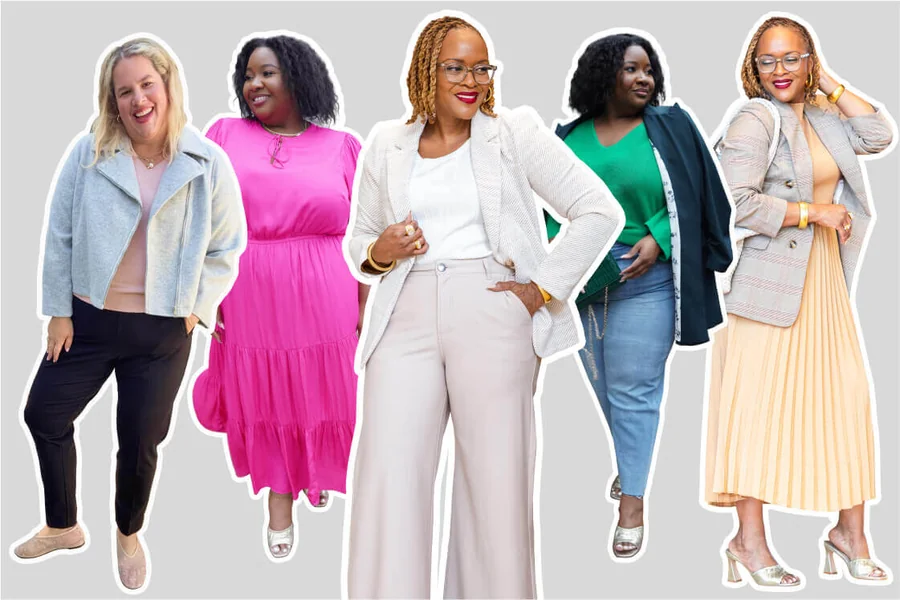
What Is an Oval Body Shape?
Oval body shape features are generally associated with a fuller midsection, a softly rounded waistline, and proportions that may appear less defined around the waist. People with this figure often have shoulders and hips that look relatively balanced, while the stomach area appears wider or more prominent. However, body proportions vary from person to person, so not everyone with an oval-shaped figure will look exactly the same. Understanding this general shape can make it easier to choose comfortable clothing, explore different styles, and create outfits that reflect personal preferences. Body shape categories are simply fashion guidelines, not strict definitions of appearance.
Main Characteristics of an Oval Body Shape
One of the most noticeable characteristics of an oval figure is a waistline that has a softer or less defined appearance. The midsection may be wider than the shoulders or hips, creating a rounded overall silhouette. Some people have fuller busts, while others have narrower shoulders or slimmer legs. The hips can be relatively narrow or similar in width to the upper body. These differences are completely normal and show why body shape categories should be treated as general descriptions rather than exact measurements. The goal is to understand individual proportions, not to fit every feature into one fixed category.
A Fuller Midsection
A fuller midsection is often the defining feature of an oval-shaped figure. The stomach area may appear rounder, and the natural waistline might not create a strong inward curve. This does not mean every person carries weight in the same way. Some may have a fuller upper abdomen, while others have a more rounded appearance around the entire waist. Clothing that fits comfortably through the middle can help create a balanced silhouette. Relaxed cuts, soft fabrics, and thoughtfully placed details are useful options for everyday dressing.
Shoulder and Hip Proportions
Shoulders and hips in an oval figure can have different proportions. In many cases, they appear relatively balanced, although the midsection remains the widest area. Some people have broader shoulders, while others have narrower upper bodies and fuller hips. Looking at the overall outline rather than focusing on one measurement provides a better understanding of personal proportions. Clothing choices can then be adjusted to suit the individual’s shape. Structured shoulders, balanced hemlines, and well-fitted trousers may help create a coordinated appearance without making the outfit feel restrictive.
Legs and Arms
People with an oval body shape may have slimmer legs and arms compared with their midsection, although this is not true for everyone. Some have fuller limbs, while others naturally have a more defined lower body. If someone enjoys highlighting their legs, straight-leg trousers, skirts, and dresses with comfortable hemlines can be good options. Sleeves can also influence the overall appearance of an outfit. Three-quarter sleeves, relaxed full-length sleeves, and sleeveless designs all work depending on personal taste, the occasion, and the desired level of coverage.
How to Identify an Oval Body Shape
Identifying a body shape usually involves looking at the relationship between the shoulders, bust, waist, and hips. Begin by standing naturally in front of a full-length mirror while wearing comfortable, fitted clothing. Observe where the body appears widest and whether the waist has a noticeable inward curve. If the middle section looks fuller and the waistline appears less defined, an oval shape may be a useful general description. Measurements can provide additional guidance, but they should not determine how someone feels about their appearance. For more guidance on understanding body proportions, a Bodytypecalc tool may offer a helpful starting point.
Taking Basic Body Measurements
To compare body proportions, measure the bust, waist, and hips using a flexible measuring tape. Keep the tape comfortably positioned without pulling it too tightly. Measure the bust around its fullest area, the waist around the natural or widest part of the midsection, and the hips around their fullest point. Write down the results and compare them to understand your general proportions. Measurements can change over time because of several factors, including age, lifestyle, and natural body variation. They are useful for choosing clothing sizes and styles, but they should never be treated as a measure of beauty or personal value.
Using a Mirror to Understand Proportions
A full-length mirror can help you see how different parts of your body relate to one another. Stand naturally rather than pulling your stomach in or changing your posture. Notice whether the waistline is clearly defined, whether the midsection appears wider, and how the shoulders and hips compare. Try looking at your silhouette from the front and side because each angle may show different proportions. It is also helpful to wear clothes that follow your natural outline without being too tight. Remember that posture and clothing fit can affect how a body shape appears.
Best Clothing Choices for an Oval Body Shape
Choosing clothes for an oval figure is mainly about comfort, fit, and personal style. Many people enjoy outfits that create a gentle sense of definition around the upper body while allowing enough room through the midsection. V-neck tops, open necklines, and lightly structured jackets can add visual interest around the shoulders and neckline. Empire-waist dresses and wrap-inspired designs may also create a comfortable shape without tightly defining the waist. Straight-leg trousers, bootcut styles, and flowing skirts can complement different proportions. These are styling suggestions rather than rules, so experimenting with different combinations is often the best approach.
Tops and Shirts
Tops with open necklines, such as V-necks and scoop necks, can create a visually elongated neckline. Shirts with soft draping or gentle structure may sit comfortably around the midsection without clinging. Tunic tops and slightly longer shirts are also popular choices, especially when paired with well-fitted trousers or leggings. Vertical details, such as button lines and subtle seams, can add visual length to an outfit. It is worth paying attention to fabric because stiff materials may feel uncomfortable, while extremely thin fabrics may cling more than desired. Choose tops that allow easy movement and feel good throughout the day.
Dresses and Jumpsuits
Dresses can be versatile options for an oval-shaped figure because they are available in many cuts and lengths. Empire-waist dresses place a seam or design detail below the bust, allowing the fabric to fall more freely over the stomach. A-line dresses gradually widen toward the hem and can create a balanced appearance. Wrap-style dresses may offer adjustable comfort, depending on their construction. For jumpsuits, look for designs with a relaxed middle section and a comfortable fit around the hips and shoulders. The right choice depends on the occasion, fabric, and personal preference.
Trousers, Jeans, and Skirts
Straight-leg jeans and trousers are practical choices that work with many different outfits. Bootcut and wide-leg styles can also create an interesting silhouette, especially when paired with a well-proportioned top. High-rise trousers may provide comfortable coverage for some people, but the waistband should not dig into the stomach. Skirts with an A-line or gently flowing shape offer another flexible option. Midi and knee-length styles can be suitable for casual and formal settings. Instead of following strict fashion rules, focus on the fit around the waist, hips, and thighs.
Common Styling Mistakes and Misconceptions
A common mistake is assuming that people with an oval body shape must hide their midsection. Clothing should not be selected because someone feels required to conceal a particular body part. Another misconception is that only certain colors, patterns, or cuts are suitable for this figure. In reality, personal taste matters more than traditional fashion rules. Oversized clothing is not automatically more flattering or comfortable, and very tight garments are not necessary to create definition. The most useful approach is to choose pieces that fit properly, support comfortable movement, and suit the wearer’s lifestyle.
Choosing the Wrong Size
Wearing clothes that are too tight can make an outfit uncomfortable and restrict movement. On the other hand, selecting clothing that is much larger than necessary may create a shape that feels less balanced than intended. The best size is the one that fits comfortably around the bust, stomach, hips, and shoulders. Different brands use different sizing systems, so checking measurements and trying garments on can be more helpful than relying on a number alone. If a piece fits well in most areas but feels tight around the waist, simple alterations may improve the overall fit.
Ignoring Fabric and Comfort
Fabric plays an important role in how clothing looks and feels. Soft cotton, jersey, viscose, and other flexible materials can provide comfortable everyday options. Structured fabrics may work well for jackets, trousers, and formal outfits when they allow enough room for movement. Extremely stiff or heavy materials can feel restrictive, while very thin fabrics may cling to the body. Consider the weather, activity, and occasion before choosing an outfit. Comfortable clothing can improve confidence and make it easier to enjoy different styles without constantly adjusting garments throughout the day.
Final Thought
Understanding oval body shape features can make personal styling easier, but it should never limit clothing choices. A fuller midsection, a softer waistline, and varying shoulder and hip proportions are simply characteristics of one general body shape. The most important part of building a wardrobe is finding clothes that feel comfortable and match your personality. Experiment with different necklines, dresses, trousers, fabrics, and accessories to see what you enjoy wearing. Fashion is not about correcting natural proportions or following strict rules. It is about expressing yourself, feeling comfortable, and choosing outfits that make everyday life more enjoyable.
FAQs
1. What are the main features of an oval body shape?
An oval body shape generally has a fuller midsection, a softly defined waistline, and shoulders and hips that may appear relatively balanced. Individual proportions can vary.
2. How can I tell if I have an oval body shape?
Look at your overall proportions in a full-length mirror. If your midsection appears wider and your waist has less definition than your shoulders or hips, an oval shape may be a suitable general description.
3. What tops look good on an oval body shape?
V-neck tops, scoop-neck shirts, tunics, and softly draped designs are popular options. Choose comfortable fabrics and fits that suit your personal style.
4. Which dresses are suitable for an oval figure?
A-line, empire-waist, and wrap-style dresses can be comfortable choices. The best design depends on your proportions, preferred fit, and the occasion.
5. Can people with an oval body shape wear fitted clothes?
Yes. Fitted clothing can look great when it feels comfortable and allows natural movement. There is no need to avoid a particular style because of your body shape.
6. Is an oval body shape the same for everyone?
No. People have different shoulder, bust, waist, hip, arm, and leg proportions. The oval category is only a general fashion description, not an exact measurement standard.
