

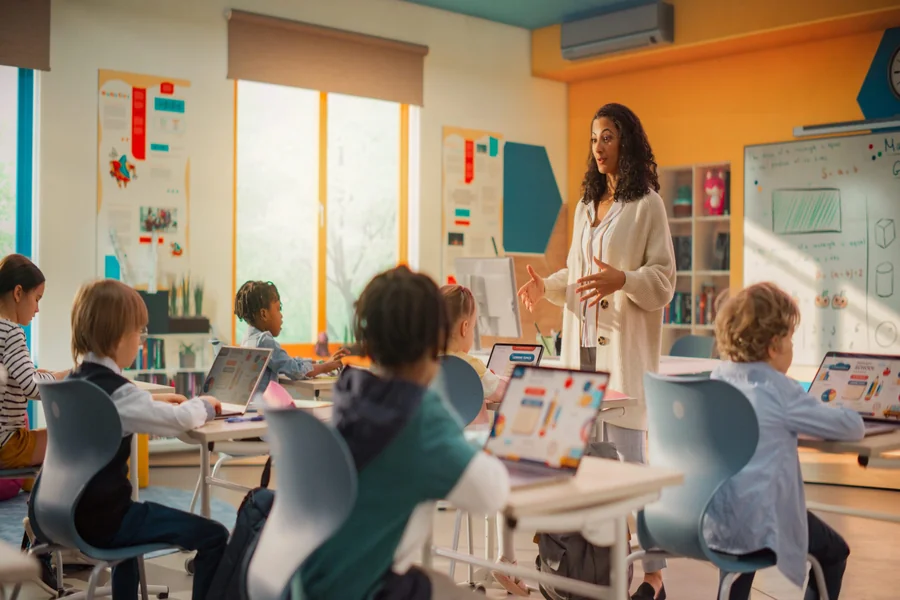
A successful classroom is built on more than lesson plans and teaching materials. Students also need a structured, respectful, and supportive environment where they can concentrate, participate, and develop confidence. Effective Classroom Management Strategies help teachers create this environment by establishing clear expectations, encouraging positive behavior, managing disruptions, and building strong relationships with learners. Good classroom management does not mean controlling every action or maintaining silence throughout the school day. Instead, it involves creating routines and learning conditions that allow everyone to participate productively. When teachers use consistent approaches and understand their students’ individual needs, they can reduce unnecessary interruptions and spend more time supporting academic progress. These practices benefit both students and educators.
1. Establish Clear Rules and Expectations
Clear classroom rules give students a better understanding of acceptable behavior and their responsibilities. At the beginning of the school year, teachers should introduce a small number of simple, age-appropriate expectations covering respect, participation, classroom materials, and communication. Explaining why each rule matters helps learners understand its purpose instead of following instructions without thinking. Teachers can also involve students in creating classroom agreements, which encourages responsibility and cooperation. Expectations should remain consistent throughout the year, and reminders should be given when necessary. When students understand boundaries and know what happens when rules are followed or ignored, the classroom becomes more organized and predictable.
2. Build Positive Relationships with Students
Positive relationships are essential for maintaining a productive classroom. Students are more likely to respect instructions and participate when they feel that their teacher understands and values them. Teachers can build trust by learning students’ names, listening carefully, showing interest in their experiences, and treating everyone fairly. Small actions, such as greeting learners at the door or recognizing individual achievements, can make students feel welcome. It is also important to respond calmly when disagreements or behavioral problems occur. Instead of embarrassing students publicly, teachers should address concerns respectfully and privately whenever possible. A supportive relationship encourages cooperation and makes classroom expectations easier to maintain.
3. Create Consistent Classroom Routines
Consistent routines help students understand how the classroom operates and what they should do during different activities. Teachers can establish procedures for entering the room, submitting assignments, organizing materials, changing activities, and asking questions. These routines reduce confusion and prevent valuable lesson time from being wasted on repeated instructions. Visual reminders, classroom schedules, and simple checklists can help younger learners remember daily procedures. Teachers should introduce each routine clearly, demonstrate the expected steps, and provide opportunities for practice. When students become familiar with classroom procedures, they can complete everyday tasks more independently. This creates a smoother learning experience and allows teachers to focus on instruction.
4. Encourage Positive Behavior and Student Participation
Recognizing positive behavior can be more effective than focusing only on mistakes. Teachers should acknowledge actions such as helping classmates, completing assignments, listening carefully, and participating respectfully. Specific praise explains exactly what a student has done well, making the feedback more meaningful. For example, saying that a learner showed excellent teamwork is more helpful than offering general praise. Teachers can also use group challenges, classroom responsibilities, and collaborative projects to encourage active participation. However, rewards should not become the only reason students behave appropriately. The long-term goal is to develop responsibility, self-discipline, and respect. A balanced approach helps create a classroom where positive behavior becomes part of everyday learning.
5. Manage Disruptions with Calm and Consistent Responses
Disruptive behavior can interrupt lessons and affect the concentration of other students. Teachers should respond promptly without allowing frustration to control their reactions. Simple techniques include using eye contact, moving closer to the student, giving a quiet reminder, or redirecting attention toward the assigned activity. For repeated problems, a private conversation can help identify the underlying reason for the behavior. A student may be struggling with a lesson, feeling frustrated, or seeking attention. Understanding the cause makes it easier to choose an appropriate response. Consequences should be fair, predictable, and connected to classroom expectations rather than intended to embarrass or punish unnecessarily.
6. Use Engaging Teaching Methods and Classroom Resources
Students are more likely to remain focused when lessons include activities that match their interests and learning needs. Teachers can combine explanations with discussions, demonstrations, group tasks, educational games, and practical exercises. Changing activities at suitable intervals can also help maintain attention, particularly among younger learners. Digital presentations and interactive educational resources may provide additional ways to explain difficult concepts. Teachers can find useful educational ideas and general learning resources through platforms such as replycorner, then select materials that support their lesson objectives. The most important consideration is relevance: activities should strengthen understanding rather than simply entertain students. Engaging instruction can reduce boredom and prevent some common classroom disruptions.
7. Monitor Progress and Adapt Management Techniques
Classroom management should develop according to students’ changing needs. A technique that works well with one group may not produce the same results with another. Teachers should observe classroom behavior, review student participation, and identify situations that regularly cause interruptions. Asking learners for feedback can also reveal whether instructions, routines, or classroom activities need improvement. Keeping brief notes about recurring problems may help teachers recognize patterns and plan suitable solutions. Communication with parents and other educators can provide additional support when behavioral concerns continue. By reviewing their methods regularly, teachers can make informed adjustments and create a classroom environment that supports both academic achievement and personal development.
Final Thought
Effective classroom management is not about maintaining strict control over every student. It is about building a structured, respectful, and encouraging environment where learning can happen without unnecessary interruptions. Clear expectations, positive relationships, consistent routines, engaging lessons, and fair responses to challenging behavior all contribute to a successful classroom. Teachers should also remember that students have different personalities, abilities, and emotional needs. Regular observation and flexible teaching practices make it easier to respond appropriately to these differences. Although developing strong classroom management takes time and patience, consistent effort can improve student behavior, strengthen participation, and make everyday teaching more rewarding for everyone.
FAQs
- What is effective classroom management?
Effective classroom management involves organizing the learning environment, establishing clear expectations, encouraging positive behavior, and responding appropriately to disruptions. It helps teachers maintain an atmosphere where students can concentrate, participate, and make academic progress.
2. Why is classroom management important for teachers?
Classroom management is important because it reduces unnecessary interruptions, improves student participation, and creates a predictable learning environment. It also allows teachers to spend more time delivering lessons and supporting individual learning needs.
3. What are the most important classroom management strategies?
Important strategies include setting clear rules, building positive relationships, establishing consistent routines, recognizing good behavior, managing disruptions calmly, and using engaging teaching methods. Combining these approaches helps create a supportive classroom.
4. How can teachers manage disruptive students?
Teachers can manage disruptive behavior by remaining calm, giving clear reminders, redirecting attention, and speaking privately with students when necessary. Understanding the reason behind repeated behavior can help educators choose more effective solutions.
5. How do classroom routines improve student behavior?
Classroom routines help students understand what to do during different activities. When procedures become familiar, learners can work more independently, follow instructions more easily, and avoid confusion during transitions.
6. How can teachers encourage positive classroom behavior?
Teachers can encourage positive behavior through specific praise, constructive feedback, classroom responsibilities, collaborative activities, and fair recognition. Consistency helps students understand which actions support a respectful learning environment.
7. What role do parents play in classroom management?
Parents can support classroom management by communicating with teachers, encouraging responsible behavior at home, and helping children develop consistent study habits. Cooperation between families and schools can make behavioral expectations clearer.
8. Can technology improve classroom management?
Yes, technology can support classroom management through digital schedules, interactive activities, classroom communication tools, and educational platforms. Teachers should use these resources purposefully to improve organization and support learning objectives.
9. How can teachers maintain student attention during lessons?
Teachers can maintain attention by using clear explanations, asking questions, including practical activities, changing learning formats, and connecting lessons with students’ interests. Short, well-planned activities can also help reduce boredom.
10. How can new teachers develop better classroom management skills?
New teachers can improve by observing experienced educators, establishing clear routines, practicing consistent communication, and reflecting on classroom experiences. Patience, preparation, and willingness to adjust teaching methods are important for long-term improvement.
