

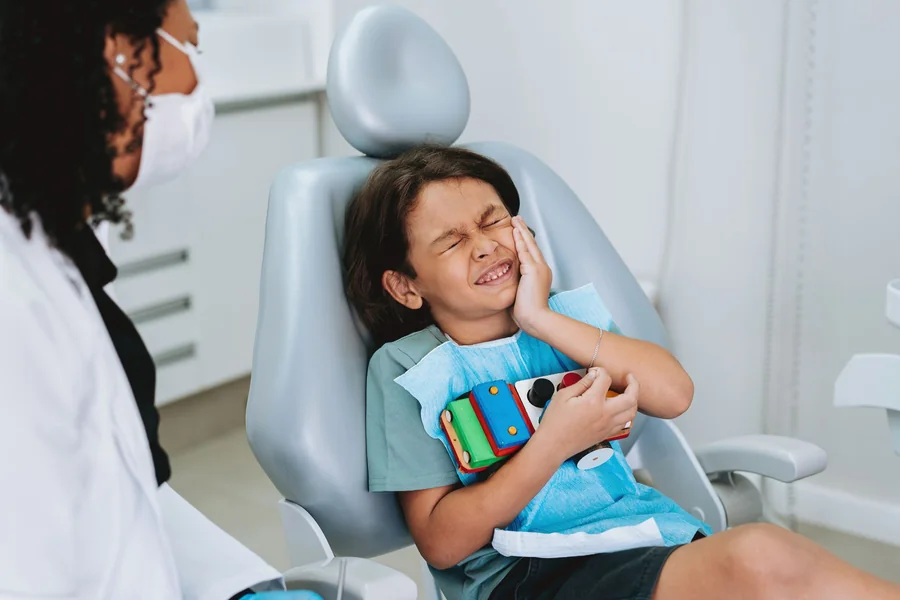
It happens fast. One bad fall off the monkey bars, a collision on the slide, a knee to the mouth during a game, and your child is crying, bleeding, and suddenly afraid to smile. In moments like these, seeing a kids’ dentist in Antioch can help you quickly understand what to do next. You may be looking at a chipped tooth, a loose tooth, swelling, or a mouth that just does not look the same. The physical injury is only part of it. Kids notice when their face feels different, and they notice when other people notice too.
How Family Dentists Help Children Recover Confidence After A Playground Injury is not just about fixing a tooth. It is about easing fear, restoring comfort, and helping your child feel like themselves again. A family dentist can check the damage, treat the injury, guide healing at home, and support the emotional side that often gets missed.
Playground dental injuries can shake a child far beyond the first fall
A playground injury can change a normal day into a string of worries. Will the tooth heal. Will it hurt tonight. Will my child be teased at school. If the injured tooth is in the front, many children become self-conscious almost right away. They may cover their mouth when they talk, stop smiling in photos, or refuse favorite foods because chewing feels scary.
This is where a family dentist matters. A child already knows the office, the faces, the routine, and that sense of familiarity lowers stress. When a dentist explains what happened in calm, simple words, children often settle down because the unknown starts to feel manageable. Parents do too.
Some injuries need urgent care, especially when a tooth is pushed out of place, cracked deeply, or completely knocked out. The HealthyChildren tooth injury symptom guide can help you judge how quickly your child needs to be seen. For younger children with baby teeth, the AAPD guidelines for traumatic dental injuries in primary teeth explain why prompt evaluation matters, even when the injury seems small at first.
The emotional side often follows the physical one. A child who was fearless on the playground may suddenly hang back. They may worry about pain, about how they look, or about whether the tooth will break again. That is one reason children’s dental injury recovery support works best when treatment includes reassurance, follow-up visits, and a clear plan your child can understand.
Family dental care after a playground accident supports healing and self-esteem
A family dentist does more than smooth a chip or take an X-ray. They watch how the tooth responds over time, check nearby teeth that may also be injured, and make sure the bite still feels right. A small crack can hide a deeper problem. A loose tooth can affect speech and eating. Swelling in the gums can point to trauma under the surface.
Children often regain confidence when they see improvement quickly. A rough edge is polished so it stops catching on the lip. A chipped front tooth is repaired so their smile looks familiar again. Pain is addressed, home care is simplified, and parents get clear instructions for food, brushing, and follow-up. Nationwide Children’s offers helpful post-treatment instructions for dental injuries that show how much recovery depends on what happens after the appointment too.
That steady care helps children trust their own bodies again. They start eating normally, laughing without covering their mouths, and going back to school without feeling on display. In many cases, the confidence returns because the dentist treated both the visible problem and the fear attached to it.
Home observation and family dentist treatment are not equal options
Parents often wonder whether they can wait a few days if the bleeding stops and their child says the tooth only hurts a little. Sometimes the injury looks minor and still needs treatment. Sometimes a child says they are fine because they do not want another scary event. Watching at home has a place, but it should not replace a dental evaluation when there is visible damage, pain, looseness, color change, or sensitivity.
| Situation | Home Observation | Family Dentist Care |
|---|---|---|
| Small chip with no pain | May seem manageable, but sharp edges can irritate lips and tongue | Can smooth or repair the tooth and check for hidden cracks |
| Loose or moved tooth | Risk of missed root or bone injury | Can examine position, stability, and need for follow-up imaging |
| Tooth turns gray or dark later | Easy to miss the meaning of color change | Can monitor nerve health and plan treatment if needed |
| Child avoids smiling or eating | Emotional impact may grow even if pain fades | Restores appearance, comfort, and confidence |
Family dental care for injured teeth gives you answers sooner, and that usually lowers both stress and long-term risk. It can also reduce future costs by catching damage before it turns into infection, bite problems, or more involved repair.
Small steps after a dental injury can help your child feel safe again
Get the injury checked early. Even when the damage looks minor, schedule an exam as soon as you can. Early evaluation protects the tooth and gives your child a clear sense that the problem is being handled.
Keep your language calm and simple. Children read your face before they hear your words. Try short, steady explanations. Tell them the dentist is going to help their mouth feel better and look better, and that you will stay with them.
Watch for changes over the next few weeks. New pain, swelling, color change, trouble biting, or growing fear around eating all deserve attention. Recovery is not only about whether the bleeding stopped that day. It is also about how your child functions and feels afterward.
Confidence often returns once your child feels cared for and understood
A playground injury can leave your child sore, embarrassed, and shaken, and it can leave you replaying the moment over and over. That reaction is normal. The good news is that many children recover well when they get prompt, thoughtful care. A trusted family dentist can restore comfort, protect the injured tooth, and help your child smile without hesitation again.
If your child has had a fall or a hit to the mouth, reach out to a family dentist and have the injury evaluated. Quick care can make recovery easier, both for the tooth and for your child’s confidence.
