

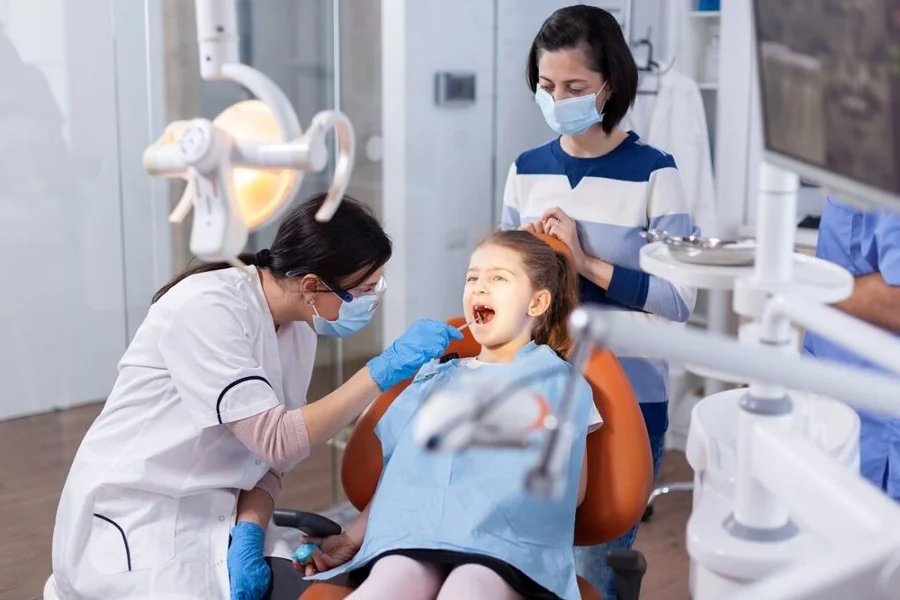
You may have walked into a dental visit expecting one small fix, then heard a list that felt much bigger. A few cavities. Maybe sealants. Maybe an X ray showed crowding, or your child was too anxious to finish everything in one visit. That moment can leave you trying to sort out cost, timing, comfort, and what actually needs to happen first. For families seeking pediatric care at Children’s Dental FunZone in West Covina, these decisions can feel especially urgent.
When a child has more than one dental issue, a pediatric dentist does not usually treat everything at random or all at once. The plan is built around urgency, your child’s age, pain level, risk for new decay, behavior during treatment, and what will protect their teeth long term. How Pediatric Dentists Plan Care For Children With Several Treatment Needs comes down to one goal, which is getting your child healthy in the safest, calmest, most practical way possible.
Pediatric dentists prioritize pain, infection, and risk before cosmetic concerns
If your child has a toothache, swelling, or a cavity close to the nerve, that problem moves to the top. Pain changes eating, sleep, school focus, and mood. Infection can spread fast in children, and baby teeth still matter because they hold space for adult teeth and support speech and chewing.
After urgent needs, the dentist looks at what is likely to get worse soon. A small cavity in a child with a high decay rate may need earlier treatment than a similar spot in a child with low risk. The American Academy of Pediatric Dentistry supports care based on individual risk, not just what is visible that day. Their guidance on caries risk assessment and management for children and adolescents helps explain why two children with similar cavities may get different treatment plans.
This is where parents often feel pulled in two directions. You want to take care of everything quickly, but you also do not want to overwhelm your child. A good plan respects both realities. If a child is four, has several cavities, and becomes distressed after ten minutes in the chair, the dentist may stage care over more than one visit or discuss sedation options if the amount of treatment is too much for their age and coping level.
Behavior, attention span, and medical history shape the treatment sequence
Children are not small adults. A treatment plan that looks simple on paper can fall apart if a child is scared, tired, sensory sensitive, or unable to sit long enough for safe care. Pediatric dentists are trained to match the appointment to the child, not force the child to match the appointment.
The AAPD’s behavior guidance recommendations describe the tools pediatric dentists use to support cooperation and reduce stress. That may include shorter visits, tell show do techniques, nitrous oxide, protective stabilization in limited cases, or treatment under sedation when clinically appropriate.
Picture two children with the same dental needs. One may do well with two short visits and a lot of coaching. Another may need treatment completed in one session under deeper sedation because every attempt in the office has become upsetting and incomplete. The teeth may be the same. The care plan is not.
This is also why timing matters. If your child has school, sports, speech therapy, or another medical condition, the dentist may spread care out in a way that protects your child’s routine. planning pediatric dental treatment is often a balance between what is clinically best and what your child can realistically handle.
Preventive care is often built into the plan, not saved for later
Parents sometimes assume prevention comes after treatment, once the cavities are done. Pediatric dentists often do the opposite. They fold prevention into the plan right away because restoring teeth without lowering future risk can lead to the same cycle repeating.
That can mean fluoride, diet counseling, home care coaching, and sealants for molars that are still healthy. According to the CDC, dental sealants can prevent cavities in molars and offer strong protection during the cavity prone years. If your child has both existing decay and newly erupted permanent molars, the dentist may treat the active problems and protect the healthy teeth during the same overall plan.
care planning for children with multiple dental issues often includes this kind of prevention because the goal is not just to repair damage. The goal is to lower the chance of needing more treatment six months from now.
A staged pediatric dentist treatment plan often makes care easier
Not every need has the same deadline, and not every child can do everything in one sitting. A staged plan helps families see what must happen now, what can wait a little, and what supports long term oral health.
| Treatment Priority | What It Often Includes | Why It Comes First or Later |
|---|---|---|
| Immediate | Pain relief, infection treatment, urgent fillings, extractions if needed | Protects health, sleep, eating, and comfort |
| Near term | Small to moderate cavities, crowns on weak baby teeth, space maintenance | Stops progression before problems become urgent |
| Preventive | Fluoride, sealants, hygiene coaching, diet review | Lowers risk of new decay and protects healthy teeth |
| Monitoring | Early crowding, watch areas, eruption checks, bite development | Avoids overtreatment and tracks changes over time |
A staged approach can also make costs feel more manageable. If treatment is spread over planned visits, you have more room to ask about insurance timing, sedation fees, and which services are the highest priority if budget is tight.
Three steps you can take before the next appointment
Ask for the treatment order in plain language. You need to know what is urgent, what can wait, and what is preventive. Ask the dentist to list the top priorities first. That clears up a lot of stress fast.
Tell the dentist how your child handled the last visit. If your child cried in the parking lot, shut down in the chair, or did better than expected, say so. That information changes how future visits are planned and can prevent a rough experience from repeating.
Get specific about home care between visits. Ask which tooth needs the most attention, whether fluoride toothpaste should be used twice daily, and whether snacks or drinks should change for now. Small home changes matter when treatment is being staged.
Good pediatric dental planning protects both your child and your peace of mind
When your child needs several kinds of dental care, the plan should feel organized, not rushed. A thoughtful pediatric dentist looks at pain, risk, behavior, prevention, and timing together, then builds a path your child can actually get through. That kind of planning does more than fix teeth. It lowers fear, prevents setbacks, and gives you a clearer sense of what happens next.
You do not need to solve the whole situation in one day. Start with the next right step, ask for priorities, and move through the plan one visit at a time.
