

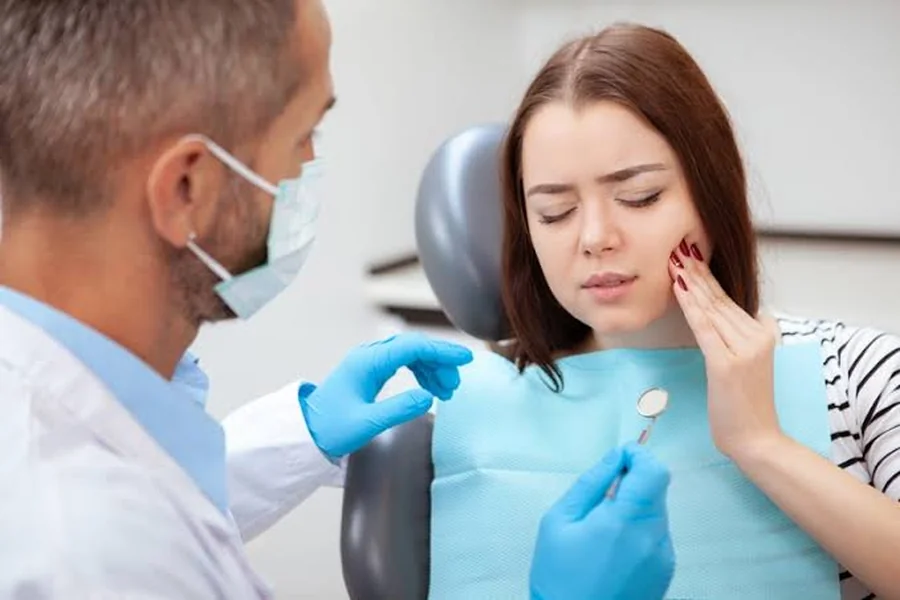
You know the feeling. A dental visit is on the calendar, your child is already nervous, and you are bracing for tears, delays, or a hard conversation in the chair. Adults feel it too. Even routine cleanings can bring up old fear, embarrassment, or the simple strain of fitting one more appointment into a packed week. That is why comfort and familiarity matter so much in a dental office, especially when one Guelph dental clinic practice cares for children, teens, parents, and grandparents.
Why Family Dentists Focus On Comfort And Familiarity comes down to something simple. People keep up with care when they feel safe, known, and respected. A family and cosmetic dentist is not only treating teeth. They are building trust that makes regular visits easier, helps catch problems earlier, and supports better habits at home.
Comfort shapes whether families return for dental care
Most dental problems do not start as emergencies. They build slowly. A missed cleaning turns into plaque buildup. A small cavity becomes pain. A child who has one upsetting visit may resist coming back for months. When a dental office feels cold or rushed, that pattern gets worse.
Familiarity changes the experience. When the same team remembers your child’s name, knows that bright lights feel overwhelming, or explains each step before starting, the visit feels less threatening. That lowers stress in the moment, and it also reduces avoidance later. A child who learns that the dentist is a normal part of life often carries that attitude into adulthood.
Parents notice the difference quickly. A child who once clung to your arm may walk in more calmly after a few steady, positive visits. An older adult who struggles with change may cooperate better when faces and routines stay consistent. That is one reason many people prefer a family dental practice centered on patient comfort instead of moving between separate offices for each age group.
Familiar routines help children and adults feel in control
Dental anxiety is not always dramatic. Sometimes it looks like asking to reschedule, putting off treatment, or saying, “It doesn’t hurt that much yet.” People often need more than clinical skill. They need predictability.
That is where family dentists stand out. They create repeated, steady experiences. The front desk process stays familiar. The exam room feels known. The language used during treatment is easier to follow. Control matters because fear often grows when people do not know what is coming next.
For children, those routines support lifelong habits. The Centers for Disease Control and Prevention shares practical oral health tips for children that start at home, but regular dental visits help reinforce them. When the office environment feels calm and welcoming, children are more likely to connect brushing, flossing, and checkups with care rather than stress.
This approach also matters for patients with developmental disabilities or sensory sensitivities. A familiar setting, clear communication, and a team that adapts to individual needs can make care more accessible. The National Institute of Dental and Craniofacial Research offers guidance on dental care for people with developmental disabilities, and the message is consistent with what families already know from experience. Trust and routine are not extras. They are part of effective care.
Family dentists often prevent bigger problems by reducing avoidance
Skipping care usually costs more in the long run, financially and emotionally. A nervous patient may wait until pain forces an appointment. By then, treatment is often more involved, more expensive, and harder to recover from. What could have been a cleaning or small filling turns into an urgent visit, lost work time, missed school, and a much more stressful day.
Comfort is not just about soft music or a friendly smile, though those help. It is about reducing the barriers that keep people away. A trusted dentist who explains options clearly, respects your concerns, and sees your whole family can spot changes early and help you make decisions before things get worse. That is one reason comfortable family dentistry supports both oral health and peace of mind.
The broader value of preventive care is well established. The CDC’s overview of oral health connects oral health to overall well-being, including eating, speaking, learning, and quality of life. Families do better when dental care feels manageable enough to keep on the schedule.
Comfort and familiarity create clear advantages for everyday care
| Dental Experience | When Comfort and Familiarity Are Present | When They Are Missing |
| Routine cleanings | Patients are more likely to keep regular appointments and ask questions | Appointments are delayed or canceled, often until discomfort appears |
| Children’s visits | Kids learn that dental care is normal and less scary | Fear can build early and continue for years |
| Treatment planning | Patients understand options and feel involved in decisions | Confusion and stress make it harder to move forward with care |
| Long term costs | Early care often means simpler, less costly treatment | Delayed care often leads to larger procedures and higher costs |
| Special needs or sensory concerns | Known routines and accommodations improve cooperation and access | Unfamiliar settings can increase distress and make treatment harder |
Small steps can make dental visits easier right away
- Choose one dental home for the family. Seeing the same team over time builds trust faster than switching offices often. Shared records, familiar faces, and consistent communication help everyone, especially children and anxious adults.
- Talk about comfort before treatment starts. Tell the office what usually makes visits hard. That might be noise, fear of injections, a strong gag reflex, mobility concerns, or a child who needs extra time. A good family and cosmetic dentist can adjust the pace and approach when they know what you need.
- Treat routine visits as prevention, not interruption. It is easy to push dental care down the list when life gets busy. Keeping regular checkups prevents the bigger disruptions that come with pain, urgent treatment, and missed work or school. The more ordinary these visits become, the less stressful they tend to feel.
Trust is part of good dentistry
The best family dental care does more than fix problems. It gives you a place where your child is not afraid to sit in the chair, where you do not have to explain everything from the start each time, and where care feels steady instead of overwhelming. That is the real reason family dentists focus on comfort and familiarity. People come back when they feel safe, and coming back is what protects long term oral health.
If you have been putting off care because the process feels hard, start with a family and cosmetic dentist who makes trust part of treatment. A calmer, more familiar experience can change the way your whole household thinks about dental care.
