

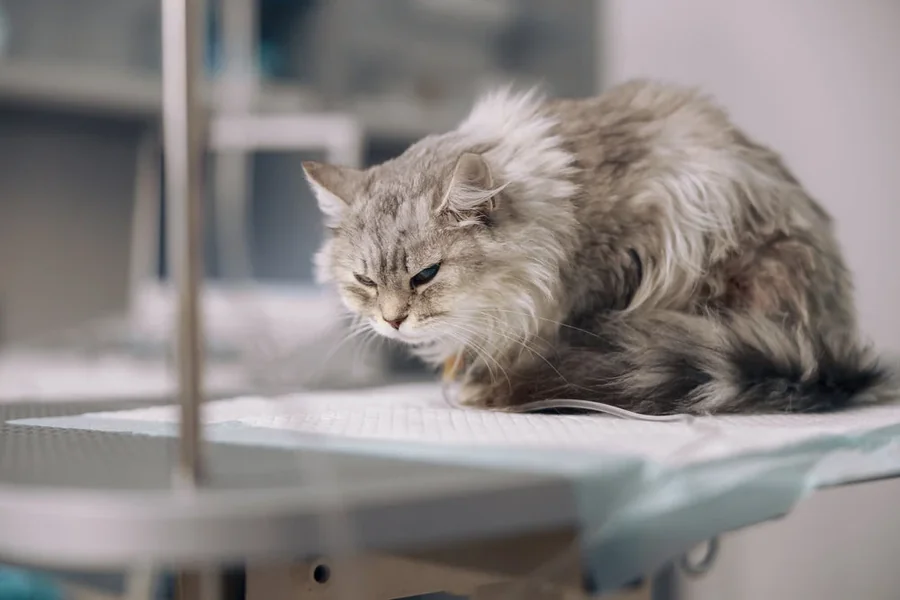
It often starts with vomiting, belly pain, diarrhea, or a pet that suddenly seems flat and uncomfortable. You may be watching your dog or cat pace, hunch, refuse food, or strain, and you can feel that something is off. That stress is real, especially if you are trying to find a veterinary clinic in Winnipeg. Intussusception is one of those problems that can look like a simple stomach upset at first, then turn serious fast.
In plain terms, intussusception happens when one part of the intestine slides into the next, like a collapsing tube. That can block food and fluid, reduce blood flow, and damage the bowel. A veterinary hospital moves quickly because delay raises the risk of dehydration, infection, tissue death, and shock. How Veterinary Hospitals Diagnose And Treat Intussusception In Pets usually comes down to a fast exam, imaging, fluid support, and in many cases surgery to correct the blockage and protect the intestine.
Intussusception in pets can look like an ordinary stomach problem until it does not
This condition can affect both dogs and cats, and it is often seen in younger pets, though adults can develop it too. Sometimes it follows intestinal inflammation, parasites, a foreign body, or another disease that disrupts normal gut movement. Some pets have repeated vomiting. Others have diarrhea with blood or mucus, belly swelling, weakness, or pain when picked up. A few seem only tired and off their food, which is why people can lose precious time waiting for it to pass.
The hard part is that these signs overlap with many other digestive problems. A pet with a minor stomach bug can look similar early on. A pet with a bowel obstruction can also look similar. The difference is that intussusception can cut off circulation to the intestine. Once that happens, the bowel can become badly injured in a short window.
A veterinary team starts by checking hydration, heart rate, temperature, gum color, belly tension, and pain. They will ask when the signs started, whether your pet has eaten something unusual, and whether there has been diarrhea, worms, weight loss, or prior digestive disease. That history matters because it helps narrow down whether this is inflammation, obstruction, or another emergency.
Diagnosis usually includes bloodwork and imaging. Blood tests help show dehydration, electrolyte changes, infection, and organ stress. X rays may suggest an obstruction, but ultrasound is often the test that gives the clearest answer because it can show the telescoping section of bowel. The Merck Veterinary Manual explains how gastrointestinal obstruction in small animals is evaluated and why rapid diagnosis matters when the intestine is blocked.
Veterinary diagnosis and treatment for intussusception focus on speed and bowel health
Once the team suspects or confirms intussusception, treatment starts with stabilization. That usually means IV fluids to correct dehydration and support circulation. Pets that have been vomiting or have not eaten may also need electrolyte correction, anti nausea medication, and pain control. If infection or bowel injury is a concern, antibiotics may be added.
Some owners hope medication alone will fix it. That is rarely the safe plan when the bowel has folded into itself. In many cases, surgery is the treatment that gives the pet the best chance. During surgery, the veterinarian examines the intestine, gently reduces the telescoped segment if possible, and checks whether the tissue is still healthy. If part of the bowel has lost blood supply or become damaged, that section may need to be removed and the healthy ends reconnected.
This is why veterinary diagnosis and treatment for intussusception is not just about stopping vomiting. It is about preserving bowel function, preventing rupture, and avoiding sepsis. If the underlying trigger is parasites, severe inflammation, or a foreign object, that also has to be addressed or the problem can return.
Recovery depends on how sick the pet was before treatment, whether bowel tissue survived, and whether there is another disease driving the issue. Some pets go home in a few days with medication, diet instructions, and strict rest. Others need longer hospitalization, especially after bowel resection. The University of Illinois notes that what looks like routine GI upset in cats and dogs can sometimes point to a more serious condition, which is why persistent vomiting, pain, or lethargy should not be brushed off.
Watching at home and seeking a veterinary hospital are not equal options
| Situation | Watching at Home | Veterinary Hospital Care |
|---|---|---|
| Vomiting and diarrhea for several hours | Risk of missing a blockage or worsening dehydration | Exam, fluids, bloodwork, and imaging can identify the cause |
| Abdominal pain or bloating | Pain may increase while bowel blood flow drops | Pain relief, ultrasound, and fast surgical planning if needed |
| Loss of appetite and weakness | Can look mild even when the intestine is compromised | Monitoring, electrolyte support, and early intervention |
| Confirmed intussusception | No safe home correction | Intussusception treatment in pets often includes stabilization and surgery |
The financial side can feel heavy, especially when imaging, hospitalization, and surgery are discussed at once. That pressure is common, and it hits hardest when your pet got sick without warning. The problem is that waiting can turn a treatable obstruction into a much larger surgery with a longer recovery and a higher bill. Fast care is often the kinder path medically and financially.
Three steps you can take right away when intussusception is possible
- Track the signs clearly. Note when vomiting started, how often it is happening, whether there is diarrhea, blood, belly swelling, or pain, and whether your pet ate a toy, bone, string, or trash. That timeline helps the veterinary hospital move faster.
- Stop food unless a veterinarian tells you otherwise. Do not force a meal or try home remedies for blockage signs. If your pet keeps vomiting, seems painful, or cannot get comfortable, seek care the same day.
- Go to a veterinary hospital when symptoms persist or worsen. Repeated vomiting, weakness, a tense abdomen, collapse, pale gums, or blood in stool need prompt evaluation. Ask whether ultrasound is available, since it can be very useful for diagnosing this kind of intestinal problem.
Prompt care gives pets the best chance to recover from intestinal telescoping
If your pet is showing signs that do not fit a simple upset stomach, trust that instinct. Intestinal telescoping in dogs and cats can progress quickly, but fast treatment can make a major difference. A veterinary hospital can sort out whether this is inflammation, a foreign body, or a true obstruction, then act before the bowel is badly damaged. If your pet is vomiting, painful, weak, or not acting like themselves, seek veterinary care now.
