

Planning healthy meals for the whole family can sometimes feel like a challenge. Between busy schedules, different food preferences, and limited time, it is easy to rely on quick convenience foods. However, healthy family meals do not have to be complicated, expensive, or time-consuming. With a little planning, you can create nutritious and delicious meals that everyone can enjoy.
1. Start With Balanced Meals
A simple way to build a healthy family meal is to include a combination of vegetables or fruit, whole grains, protein, and healthy fats. This approach provides a variety of nutrients while keeping meals satisfying.
For example, a dinner could include grilled chicken, brown rice, steamed broccoli, and a small serving of avocado. Another option might be whole-grain pasta with tomato sauce, vegetables, and beans.
2. Try Colorful Breakfasts
Breakfast is a great opportunity to introduce nutritious foods at the beginning of the day. Instead of sugary cereals or pastries, try meals that combine protein, fiber, and fruit.
Some easy ideas include:
-
Oatmeal topped with bananas, berries, and nuts
-
Scrambled eggs with whole-grain toast and sliced tomatoes
-
Greek yogurt with fruit and oats
-
Whole-grain pancakes topped with fresh fruit
-
Smoothies made with fruit, yogurt, and spinach
Allowing children to choose between two or three healthy options can also make breakfast more enjoyable.
3. Make Lunch Simple
Family lunches can be nutritious without requiring hours in the kitchen. Sandwiches, wraps, grain bowls, and leftovers can all become healthy choices when prepared with wholesome ingredients.
Try a whole-grain chicken and vegetable wrap, a lentil and vegetable soup, or a quinoa bowl with beans, corn, tomatoes, and avocado. Fresh fruit and yogurt can make simple side dishes or snacks.
4. Prepare Easy Weeknight Dinners
Weeknight dinners should be practical as well as nutritious. One-pan and one-pot meals can save time and reduce cleanup.
Consider meals such as:
-
Baked chicken with roasted vegetables and potatoes
-
Vegetable and bean chili
-
Salmon with brown rice and green vegetables
-
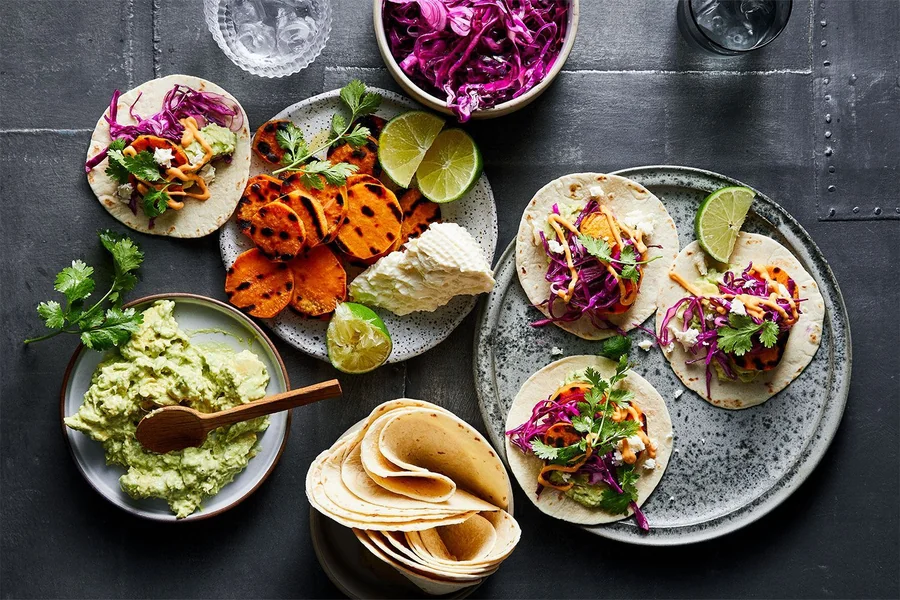
Turkey or bean tacos with lettuce, tomatoes, and avocado
-
Whole-grain pasta with vegetables and lean protein
-
Homemade vegetable and chicken soup
Cooking larger portions can also provide leftovers for lunch the following day.
5. Give Children Healthy Choices
Children are more likely to become comfortable with nutritious foods when they have some control over what they eat. Instead of requiring them to eat a particular vegetable, offer a few healthy choices.
For example, you might ask, “Would you like carrots or cucumber with dinner?” Both options are nutritious, while the child gets to make the final choice.
It can also help to serve new foods alongside familiar favorites. Children may need to see and taste a new food several times before accepting it.
6. Choose Healthy Snacks
Snacks can be an important part of a family’s daily eating routine. Keep convenient nutritious foods available so that healthy choices are easy to make.
Good options include:
-
Apple slices with peanut or nut butter
-
Fresh berries and yogurt
-
Carrot or cucumber sticks with hummus
-
A small handful of nuts or seeds
-
Whole-grain crackers with cheese
-
Homemade oatmeal muffins with fruit
The best snacks are usually simple enough to prepare ahead of time and easy for children to eat.
7. Make Vegetables More Appealing
Vegetables do not have to be boring. Roasting vegetables can bring out their natural sweetness, while herbs, spices, and simple sauces can add flavor.
Try roasted carrots, crispy cauliflower, sweet potatoes, bell peppers, or broccoli. You can also add finely chopped vegetables to soups, pasta sauces, omelets, tacos, and casseroles.
Rather than hiding vegetables, encourage children to explore them and learn which flavors and textures they enjoy.
8. Cook Together as a Family
Preparing meals together can make healthy eating more enjoyable. Children can wash vegetables, mix ingredients, assemble sandwiches, or help set the table, depending on their age and abilities.
Cooking together also gives parents an opportunity to teach children basic skills and introduce them to different ingredients. Over time, these experiences can help children develop a more positive relationship with food.
9. Plan Meals Ahead
A little preparation at the beginning of the week can make healthy eating much easier. Choose several dinners in advance and make a shopping list based on those meals.
You can also wash and cut vegetables, cook grains, prepare sauces, or portion snacks ahead of time. Having healthy ingredients ready to use reduces the temptation to order takeout when everyone is hungry and time is short.
10. Keep Healthy Eating Flexible
Healthy family eating does not mean every meal has to be perfect. What matters most is the overall pattern of eating. Families can enjoy birthdays, desserts, restaurant meals, and favorite comfort foods while still maintaining nutritious everyday habits.
The goal is to create meals that are nourishing, enjoyable, affordable, and realistic for your family’s lifestyle.
A Simple Family Meal Plan
Here is an example of how a week of family meals might look:
| Day | Breakfast | Lunch | Dinner |
|---|---|---|---|
| Monday | Oatmeal with berries | Chicken and vegetable wrap | Baked chicken with rice and broccoli |
| Tuesday | Eggs and whole-grain toast | Lentil soup | Bean and vegetable tacos |
| Wednesday | Yogurt, fruit, and oats | Turkey sandwich and fruit | Salmon with potatoes and vegetables |
| Thursday | Banana smoothie and toast | Leftover chicken bowl | Whole-grain pasta with vegetables |
| Friday | Whole-grain pancakes and fruit | Hummus and vegetable wrap | Homemade vegetable pizza |
Final Thoughts
Healthy family meals do not need to be complicated. Focus on adding a variety of vegetables, fruits, whole grains, protein-rich foods, and healthy fats to everyday meals. Keep nutritious snacks available, involve children in meal preparation, and plan ahead whenever possible.
Most importantly, make healthy eating enjoyable rather than stressful. When nutritious foods become a normal and enjoyable part of family life, healthy habits can develop naturally and last for years.
